
To turn one customer question into a blog, an email, and three posts, start with the exact words a buyer used. Write one answer your team can stand behind. Then give each piece its own job. The blog teaches. The email gets the answer to the right people. Each of the three posts comes at the same problem from a different side.
At the counter, a question rarely sounds like a blog title. It sounds like "Who do I call if the opening is odd?" or "What do you need from me to price it?" Write it down the way the buyer said it. Those words tell you what the buyer is trying to get done.
Which Question Is Worth Answering More Than Once?
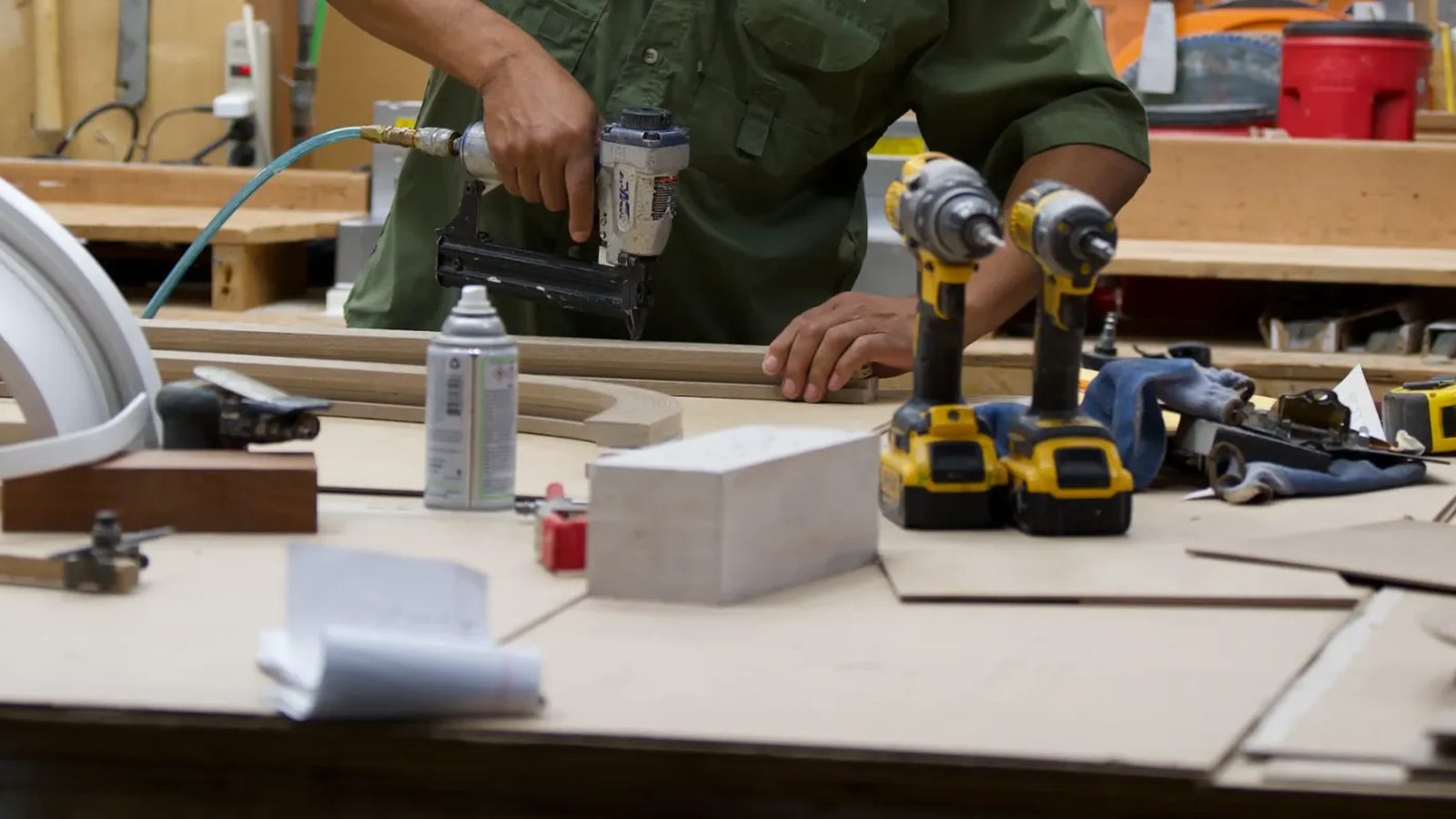
Pick a question that comes up every week and slows a sale down. Questions about what happens between the order and the delivery are good ones. In my conversation with Ron Herrin and Lee Allen of Tucker Door & Trim, we talked about that gap. It is the space between what a customer asks for and the work it takes to deliver it. Tucker Door & Trim is a Grit Blueprint client.
The custom door question below is a made-up example built on that theme. It is not a campaign Tucker ran or a checklist Tucker approved.
Before you write anything, check that your website does not already answer the question. If it does, give that page a better path to the buyer. If the answer is thin, improve the page. A second page that says the same thing does not help a rep. If you are still deciding which page to work on, see what to publish first after a website launch.
What Goes in the Blog Post?
The blog post is the full answer. Every other piece points back to it.
The question: "What do you need from me before you can quote a custom door?"
A sample opening: "Before you ask for a custom door quote, tell the supplier where the door is going and how it will be used. Ask which details they need to confirm for that product, who will check them, and when you will hear back."
Then give the reader a short checklist:
- where the door is going and how it will be used
- the product and how it is set up
- the details the supplier has to confirm
- who owns any question that is still open
Name a technical contact your team can really support. Keep product details current, and keep them on the product page where they belong.
The blog post should help a reader who never sees the email or the posts.
What Does the Email Do?
The email saves the rep from typing the same answer again. Send it to people the rep already works with, or to a list that agreed to hear from you. Give them one reason to open the guide.
Subject: What to send us before we quote a custom door
Sample copy: "If you are pricing a custom door, tell us where it is going and what it needs to do. That helps us ask for the right details before the order goes any further. Here is our short guide to what to send and what we will confirm with you."
The email does not repeat the whole article. It puts the answer in front of the right person at the right time.
What Are the Three Posts For?
Each post gets its own job. If a rep cannot tell you why they would share one post over another, the posts are too alike.
| Post and its job | Example |
|---|---|
| 1. The question. Help the right people see the problem. | "Before you quote a custom door, ask where it is going. A customer can know the look they want and still need help getting the order right." |
| 2. The tool. Give the reader one quick thing to do. | A picture of a blank order card with four lines: where it is going, what we are quoting, what is still open, and who owns the answer. |
| 3. The person. Put a real person behind the answer. | A short, approved clip of a shop lead or salesperson explaining what the team does when a detail is missing. No clip yet? Post the question you would ask the shop. Do not make up a quote. |
If you plan to film that third post, the clip will do more work as sales proof your reps can send too.
Use One Brief So the Facts Stay the Same Everywhere
Five pieces written on five different days can drift apart. One brief keeps the facts in line. Copy this into your next content meeting:
- The buyer's exact question
- The person who can check the answer
- The document or source that backs it up
- What a buyer can do next
- The page on your site that answers it now, or why it needs a new one
- The job of the email and of each post
- Claims, photos, or clips that still need approval
Then send the draft to the person who answers that question for a living. Ask them, "What did we leave out that would make a buyer call you anyway?" Fix that before you write the next piece.
This is the same kind of work Grit Blueprint does when it helps teams turn product knowledge and sales questions into content. You can run the brief above with your own team first.
Questions and Answers
Start with the buyer's exact words and write one answer your team can stand behind. Make the blog post the full answer. Use the email to get it to the right people. Give each of three posts a different job: name the problem, offer a quick tool, or show a real person.
No. The email saves the rep from typing the same answer again. Send it to people the rep already works with or to a list that agreed to hear from you. Give one reason to open the guide and link to the full answer.
Use one brief for all five pieces. List the buyer's exact question, the person who checks the answer, the source, the next step, the page that answers it now, the job of each piece, and anything still waiting on approval. Then have the expert read the draft.
Post the question you would ask the shop or the sales team instead. Do not make up a quote from a person. When you can film a short, approved clip of a shop lead or salesperson, add it then. That clip can also serve as sales proof for reps.
Pick a question that comes up every week and slows a sale down, like what a supplier needs before quoting a custom door. Check that your website does not already answer it. If it does, give that page a better path to the buyer before writing anything new.
Want Help Putting It to Work?
A free call with Stefanie Couch. About 30 minutes.
Not ready to talk? Get the Built to Win Newsletter

Written by Stefanie Couch
Founder of Grit Blueprint and the front-facing voice of the brand. Stefanie helps companies across the building industry turn hard-earned trust into visible proof, useful content, and AI-search-ready authority. Known on stage, on the mic, and for her signature pink hat.