
Your reps need more than a brochure. They need something that answers the question a buyer is asking right now. That might be the right product sheet, a one-minute story about a customer like them, or a short clip that shows how the work gets done. Start with the buyer's question, then decide what to put in the rep's hands.
I grew up in a lumberyard and spent years in two-step distribution. The information that matters at the counter is the information someone can use while the customer is standing there. If the answer is buried in a folder or takes three calls to find, the rep has to fill the gap. Sometimes they guess. Sometimes the customer moves on.
Match the Proof to the Buyer's Question
Sit down with your sales team. Ask for the last three questions they had to answer before a buyer would take the next step. Write each one down the way the buyer said it. Then use this table to decide what each rep needs.
| What the buyer asks | What to give the rep | What the rep should check first |
|---|---|---|
| "Is this the right product for my job?" | The current product page or a short sheet that points to the exact spec and a technical contact. | The exact model, the latest version, and whether someone needs to review the use. |
| "Could you handle an order like ours?" | A one-page story about a similar job or customer: the problem, the work, and what changed. | Where the jobs are alike and where they differ. A past result is an example for this buyer to weigh, and no promise. |
| "What makes your process different?" | A short, approved video that shows one step the buyer cares about. | The clip really shows what the rep says it shows. |
| "What would it look like to try you?" | A short outline of a first order: one product, one category, or one job. | Your team can deliver it, and the customer knows what happens next. |
If a rep has to explain three things before the buyer understands the piece, it is not ready. Give them one link or one page and one plain sentence that says why it is worth opening.
What a Product Answer on Video Looks Like
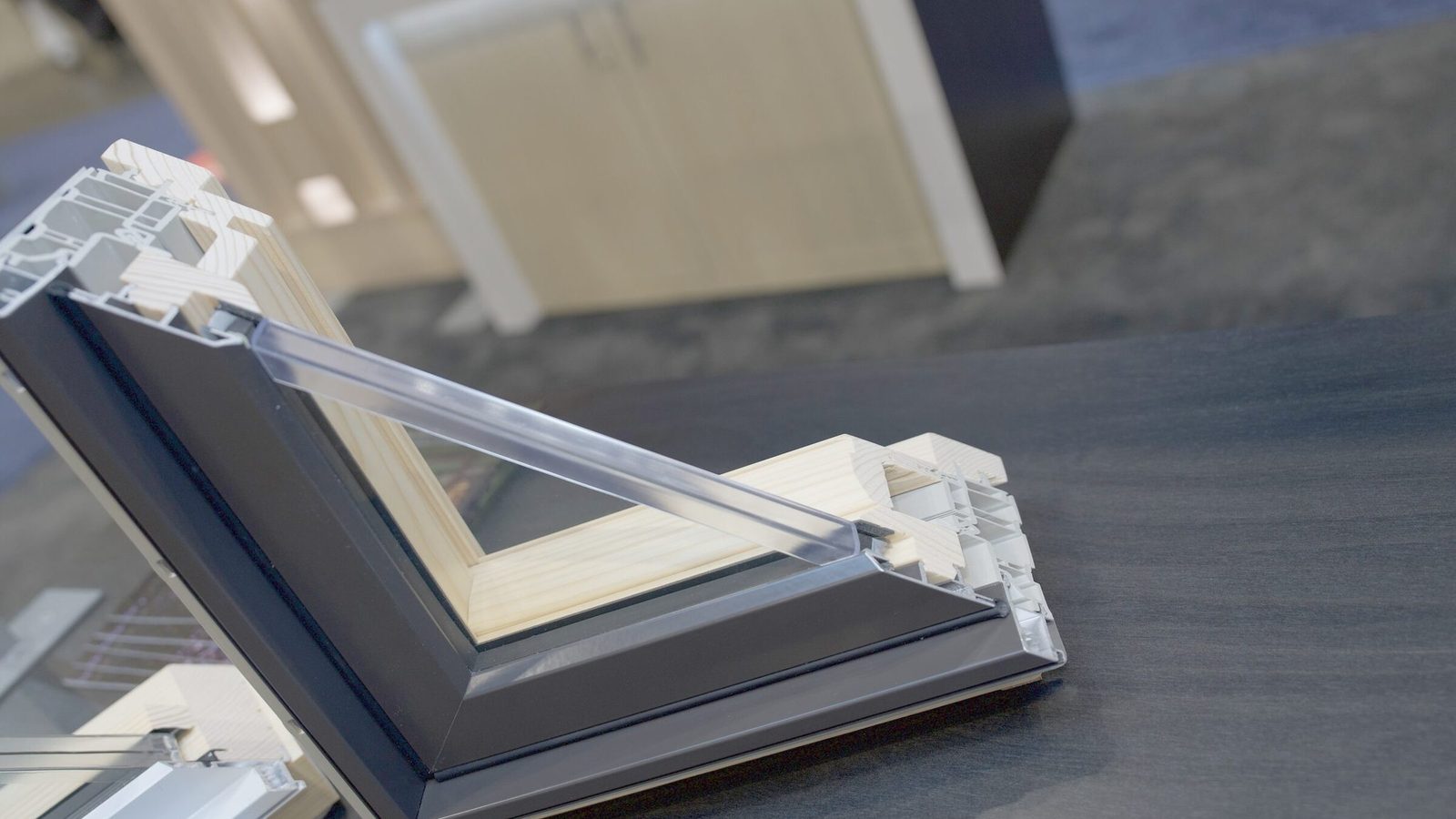
A good clip answers one question a buyer keeps asking. At Tucker Door & Trim, a Grit Blueprint client, Window Division Manager Barry Williams explains what Low-E glass and argon gas do in a window. A rep can send that after a meeting when a buyer asks what the glass in a window actually does. The person who designs the windows gives the answer, so the rep does not have to.
Notice what makes it work. It has one subject and one expert, and it covers something buyers really ask about. A two-minute company reel cannot do that job. If you need to plan the shoot for clips like this, see what to film on a jobsite so reps can use it.
Give Reps a Story They Can Tell in a Minute
The people who do the work often know how to help a buyer. It is harder to explain on the spot why your team is the better choice. Give each rep a short story they can practice in their own words.
- The problem. What was harder than it should have been for the customer?
- The work. What did your team actually do?
- The change. What happened that the customer could see or measure?
- The fit. Why does this story matter to the person in front of the rep?
Here is the kind of detail I mean. On The Grit Blueprint Podcast, I talked with Scott Morrison of Do it Best about yard and door shop flow. He told me about a zone picking project with one Do it Best member. They were finishing up at five o'clock, and now they finish at 3:30. That is 90 minutes a day. You can watch the episode on YouTube. Do it Best Group sponsored it. It is one example Scott reported, and it does not promise that every yard will save the same time.
A rep can tell that story in under a minute. Then the rep can ask a better question: "What time are you finishing up now?" Compare that with "We help you run more efficiently." A buyer can picture the first one.
Make the Next Step Small Enough to Try
I call it a wedge engagement in my business: one win the buyer feels fast and remembers, so they want to do more with you. If you sell building products, that might be quoting one hard job, filling one order on time, or getting a contractor to the right person on the phone.
Pick something the customer cares about and your team knows it can deliver. The piece you give the rep should move the buyer to that step. It should not turn every question into a pitch for the whole line.
Build the First Rep Card This Week
Choose one question you heard this week. Put the exact question at the top of a page. Under it, put the one-minute story, where the facts came from, and the next step. Have two reps try telling it. Ask which part they could not say without guessing or looking something up. Fix that part before you build a folder full of cards.
If the story names a customer or shares details they have not made public, get permission before you hand it out. If the result is only what one customer said, repeat what they said instead of turning it into a number.
If you want help making catalogs, product sheets, and clips your reps send, see how Grit Blueprint supports sales teams.
Questions and Answers
Reps need a piece that answers the question in front of them. That could be the current product sheet with the exact spec, a one-page story about a similar customer, a short clip that shows one step of your process, or a simple outline of what a first order looks like.
Ask your reps for the last three questions they had to answer before a buyer would take the next step. Write them down in the buyer's words. Make the piece for the question that comes up most and slows the most deals, then test it with two reps.
It fits in about a minute and covers four things: the customer's problem, what your team actually did, what changed that the customer could see or measure, and why it matters to the buyer in front of the rep. Get permission before sharing details that are not public.
Yes, as an example and with permission. The rep should say where the jobs are alike and where they differ, repeat what the customer reported, and avoid turning one result into a promise. A past result shows what happened once. It cannot say what will happen on the next job.
A single page with one buyer question at the top, a one-minute story under it, where the facts came from, and the next step to offer. Have two reps try telling it, find the part they could not say without guessing, and fix that before making more cards.
Want Help Putting It to Work?
A free call with Stefanie Couch. About 30 minutes.
Not ready to talk? Get the Built to Win Newsletter

Written by Stefanie Couch
Founder of Grit Blueprint and the front-facing voice of the brand. Stefanie helps companies across the building industry turn hard-earned trust into visible proof, useful content, and AI-search-ready authority. Known on stage, on the mic, and for her signature pink hat.