
Before you call a building materials dealer, learn who they sell to, which branches and product categories matter, how they sell, and whether your company can actually serve their market. Then shape one specific question about a possible need. Anything you cannot confirm goes on your list as a question, not a fact about their business.
The goal is to earn a useful conversation. A dealer already carries a line for a reason. Understand that choice before you ask them to change it.
Sort Your Notes Into Seen, Guessed, and Unknown
Use three labels:
- Seen: something you can point to in a current, reliable source.
- Guess: a possible need you want to test.
- Unknown: something only a conversation or more research can answer.
Say a dealer's website shows a window and door showroom. That supports one fact: they show those products to customers. It does not tell you which line makes them the most money, whether staff want another supplier, or whether they are unhappy with their current one.
Old web pages mislead. Write down the source and the date you checked it, and confirm important facts with the dealer before you act on them.
Research These Six Things
1. Who They Sell To
Look at how the dealer describes its customers: production builders, custom builders, remodelers, homeowners, commercial buyers, or a mix. A dealer that serves remodelers will care about replacement openings, customer selections, and smaller orders. A dealer that serves production builders may care about different things.
Do not assume every branch serves the same customers. Ask which part of the business your contact runs.
2. The Product Categories They Carry
Check the dealer's website, line cards, and showroom pages. Where it helps, check the manufacturer's dealer locator too.
Write down what each source says. A logo on a website does not tell you volume, exclusivity, stock depth, or which branches carry it. A missing category does not prove a gap. The website may just be out of date.
Look for a real reason your line belongs in the talk. If it adds a category or a use they lack, be specific. If it overlaps a line they already carry, be ready to explain why a second option is worth their work.
3. How They Sell and Support
Do they use a showroom, a counter, outside sales, appointments, or an online quote form? What do they tell buyers to do next? Walk the public path a buyer would take, but do not send a fake inquiry.
This gives you good questions. Who helps a customer compare options? Who builds the quote? Who would need training? It does not give you the right to say their sales process is broken.
4. What Your Company Must Deliver
Check your own side before you judge theirs. Can you serve that branch? What are your real freight terms, order minimums, support contacts, and product limits? Which details still need an answer from your team?
A great product story will not fix a delivery problem. Do not promise service you only hope operations can provide. If you are not sure, your note should say so: "Need to confirm we can serve this branch before we talk about an opening order."
5. The People and Their Roles
Use public business profiles to find the right role. The owner may not be the person who decides on your category. A branch manager may need input from purchasing, a product specialist, or another location.
Ask who should be involved instead of acting like you know. Skip personal life details, gossip, and guesses about why someone does what they do. A sharp business question helps. A pile of trivia about a person does not.
6. A Reason to Call Now
A showroom opening or a new branch can give you a timely reason to reach out. So can a stated category push or a dealer's own request for product info.
Keep the reason in proportion to the facts. A new branch does not mean they have budget for your line. A job posting does not prove a service problem. If you find no timely reason, you can still make a relevant introduction. Do not invent urgency or unhappiness with their supplier.
Fill Out a One Page Dealer Fit Sheet
| Field | Your note |
|---|---|
| Dealer and branch | The exact business and location. |
| Who they sell to | What their own materials say, with source and date. |
| Category fit | The product or use you can support. |
| What they carry now | Confirmed lines and services. Mark gaps in your info. |
| How they sell | Showroom, counter, outside rep, or online path. |
| Can we serve them | Confirmed coverage and support, and what is still open. |
| Right role | The business contact and how you confirmed it. |
| Possible need | One guess, labeled as a guess. |
| Test question | A fair question that could prove the guess right or wrong. |
| Small next step | A useful action if the need is real. |
| Stop sign | A reason to pause or walk away. |
Use the sheet to prepare for a conversation. Do not turn it into a score that looks more certain than the facts behind it.
A Worked Example With a Made-Up Dealer
This dealer and supplier are invented to show the method. Neither is a client or a real prospect.
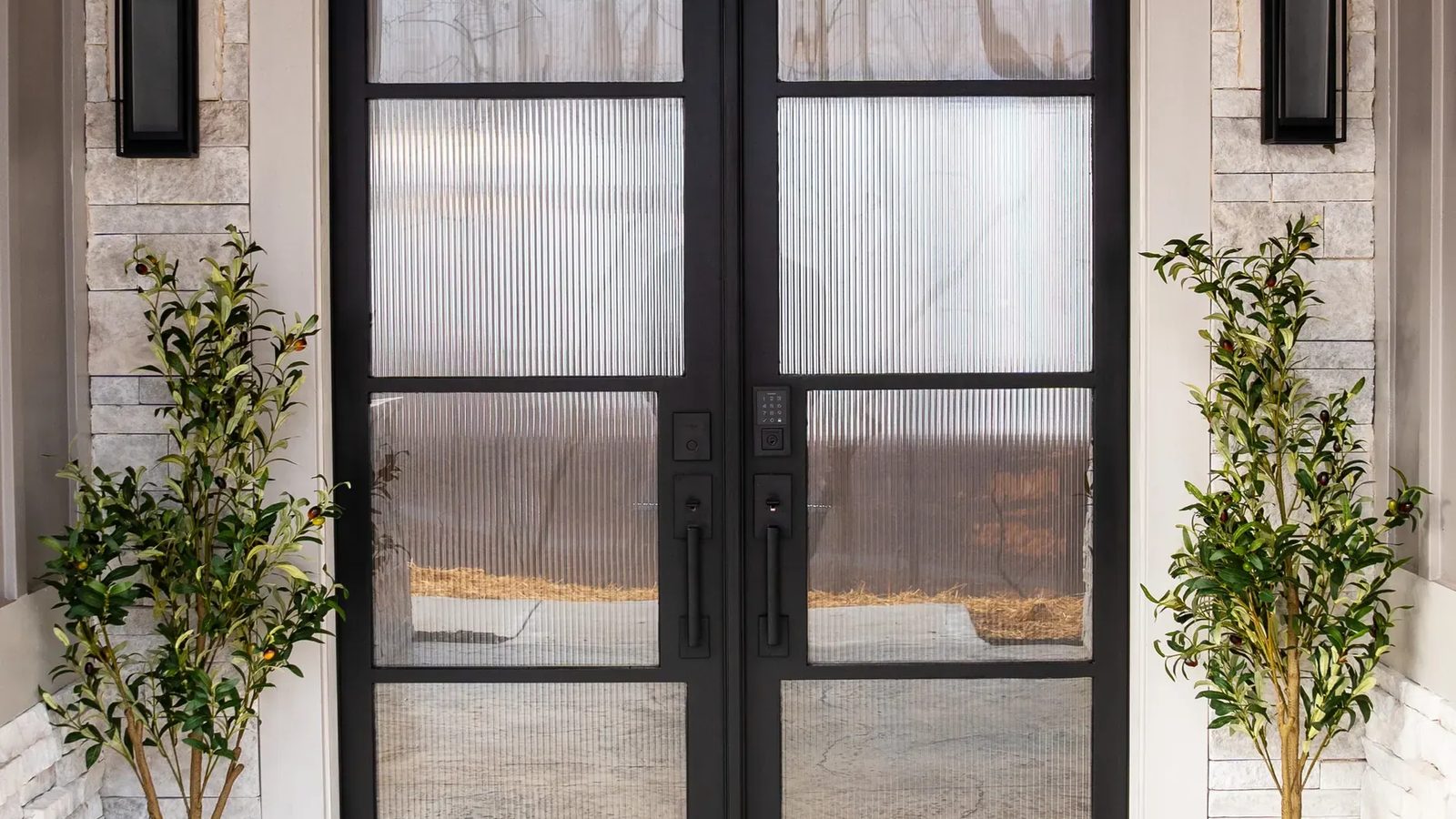
Say a regional dealer's website describes a showroom for remodelers and lists several window and door lines. Your company sells a specialty door option and has confirmed it can serve that region.
- Seen: the dealer runs a showroom, serves remodelers, and lists doors.
- Unknown: whether they already have enough options for odd openings, how often those come up, and who would handle the extra quoting.
- Guess: a specialty option might help with a narrow kind of request they already get.
- Test question: "When a remodeler brings you an opening that does not fit your usual options, how does your team handle it today?"
That question lets the dealer describe a working process, a gap, or a reason you are not a fit. It does not open by saying their current supplier falls short. If they say those requests are rare and well covered, believe them. They may not need your line.
Offer a Small First Step
A small, clearly scoped first step lets both sides see whether working together is useful before anyone commits to more. For a dealer, it might be a product fit review, a short session with the right salesperson, or a defined sample.
For the made-up dealer, a good first step could be reviewing one real opening with the dealer's product specialist, with customer details removed. You confirm whether the product fits, what info you need, and what support you can give.
Before you agree to the step, write down:
- The question you are testing.
- Who takes part and who owns the follow-up.
- What each side needs to bring.
- Any cost, sample terms, or other commitment that needs approval.
- What would make you continue, and what would make you stop.
If the talk turns into an order, confirm pricing, freight, timing, and returns. A good first conversation is not permission to assume the terms. If the dealer does sign on, the next job is a plan for the new dealer's first 30 days.
Write an Opening That Leaves Room for Their Answer
Here is a made-up first message. Do not send it as is:
"I saw your showroom focuses on remodeler selections. We make a specialty door option that may help when a project falls outside the usual sizes. Before I send another product deck, can I ask how your team handles those requests today? If there is a fit, we could start by reviewing one opening with your product person."
Use only what you have actually confirmed. Swap in a product claim your company can back up. Do not hint at a shared contact, a showroom visit, or a problem they have not shared unless it is true and fair to mention. If the dealer already has a supplier they like, read why dealers switch suppliers and what makes them stay before you push.
Know When to Stop
Pause when you cannot serve the area, the product does not fit the use, the support load is beyond you, or the dealer has no real need. Pause too when big facts are still open. Research makes you ready. It does not replace a technical review or clear terms.
Write down what you learned either way. Then pick one prospect, fill out the sheet, highlight every guess, and confirm your own team can deliver before you call.
If your reps keep calling dealers without the right materials to send, that is the work behind sales support for building industry teams. If you are still deciding which markets and dealers to go after first, start with a go-to-market strategy.
Questions and Answers
Who the dealer sells to, which branches and product categories matter, how they sell, and whether your company can serve their market. Write down where each fact came from and when you checked it. Turn anything you cannot confirm into a question for the call instead of treating it as fact.
Start with the dealer's own website, line cards, and showroom pages. Check manufacturer dealer locators where it helps, and public business profiles to find the right role. Walk the path a buyer would take, but never send a fake inquiry. Remember a logo on a site does not show volume or stock.
Ask about their process instead of attacking their supplier. For example, ask how the team handles a request that does not fit their usual options. Their answer shows whether there is a gap, a working process, or no fit at all. If they say the need is rare and covered, believe them.
A small, clearly scoped step that tests whether working together helps, such as a product fit review or one real opening reviewed with their product specialist. Write down the question being tested, who takes part, what each side brings, any cost, and what would make you continue or stop.
When you cannot serve the area, the product does not fit their work, the support load is more than you can carry, or the dealer has no real need. Pause too while big facts are still open. Research gets you ready, but it does not replace a technical review or clear commercial terms.
Want Help Putting It to Work?
A free call with Stefanie Couch. About 30 minutes.
Not ready to talk? Get the Built to Win Newsletter

Written by Stefanie Couch
Founder of Grit Blueprint and the front-facing voice of the brand. Stefanie helps companies across the building industry turn hard-earned trust into visible proof, useful content, and AI-search-ready authority. Known on stage, on the mic, and for her signature pink hat.