
To interview a leader who hates being on camera, plan the subject instead of scripting every sentence. Pick one question a buyer really asks. Tell the leader where the video will go and who will see it. Then have a real conversation about one decision or example from their work. Check the edit for meaning before you check it for polish.
You are after an answer someone can use. A smooth intro and a perfect slogan will not save a video that never answers the question.
Start close to the work. Ask why a product fits one job, what a dealer needs before a quote, or how the plant checks a detail buyers never see.
Find Out What Makes the Camera Hard for This Person
Reluctant speakers need different kinds of help. Ask them before the shoot, one on one:
- Are you worried about forgetting the answer, getting a technical detail wrong, or where the video will show up?
- Would it help to see the questions first?
- Which subjects are fine to discuss in public, and which need review?
- Who should check product claims or customer names?
Explain who the video is for, what pieces you will cut from it, and who approves them. Agree that they can restart an answer. Agree on what happens if the talk drifts into something confidential.
That short talk helps more than telling someone to relax. It also keeps a great answer from going to waste because nobody agreed it could be shared. On the podcast and interview production side, Grit Blueprint tells every guest what to expect ahead of time, and nothing goes out until the client approves the edit.
Give Them a Cue Card Instead of a Speech
A script makes sense for a required legal line, an exact spec, or an approved announcement. When a leader is explaining their own work, start with prompts.
Fill out this card before you record:
| Field | Write this down |
|---|---|
| Viewer | One audience: a dealer owner, a contractor, an architect, a job candidate. |
| Question | The one thing that viewer should understand afterward. |
| Example | A real decision, demo, or process that can be shared. |
| Checked facts | Names, product details, dates, and claims checked before filming. |
| Limits | What cannot be named, shown, or promised. |
| Next step | What the viewer can do with the answer. |
| Reviewer | Who checks the technical facts and who approves it for publishing. |
Grit Blueprint used this kind of planning with ARAUCO at IWF 2026. Each executive's interview guide named a specific audience, a main takeaway, and supporting examples. Prep covered product terms, approved claims, and limits on forward-looking statements. The questions stayed conversational so people could explain things in their own words. You can read how it came together in the ARAUCO trade show story.
Here is a made-up example for a door maker. The question might be: "What does a dealer need to send before we can confirm this custom door?" The example could be a sample order made just for filming. The limit could be that no ship date is promised. The next step could be a checked intake list.
Warm Up With Something They Know
Start with easy questions about the actual work:
- "What are we looking at here?"
- "What happens at this station?"
- "What is the first thing your team checks?"
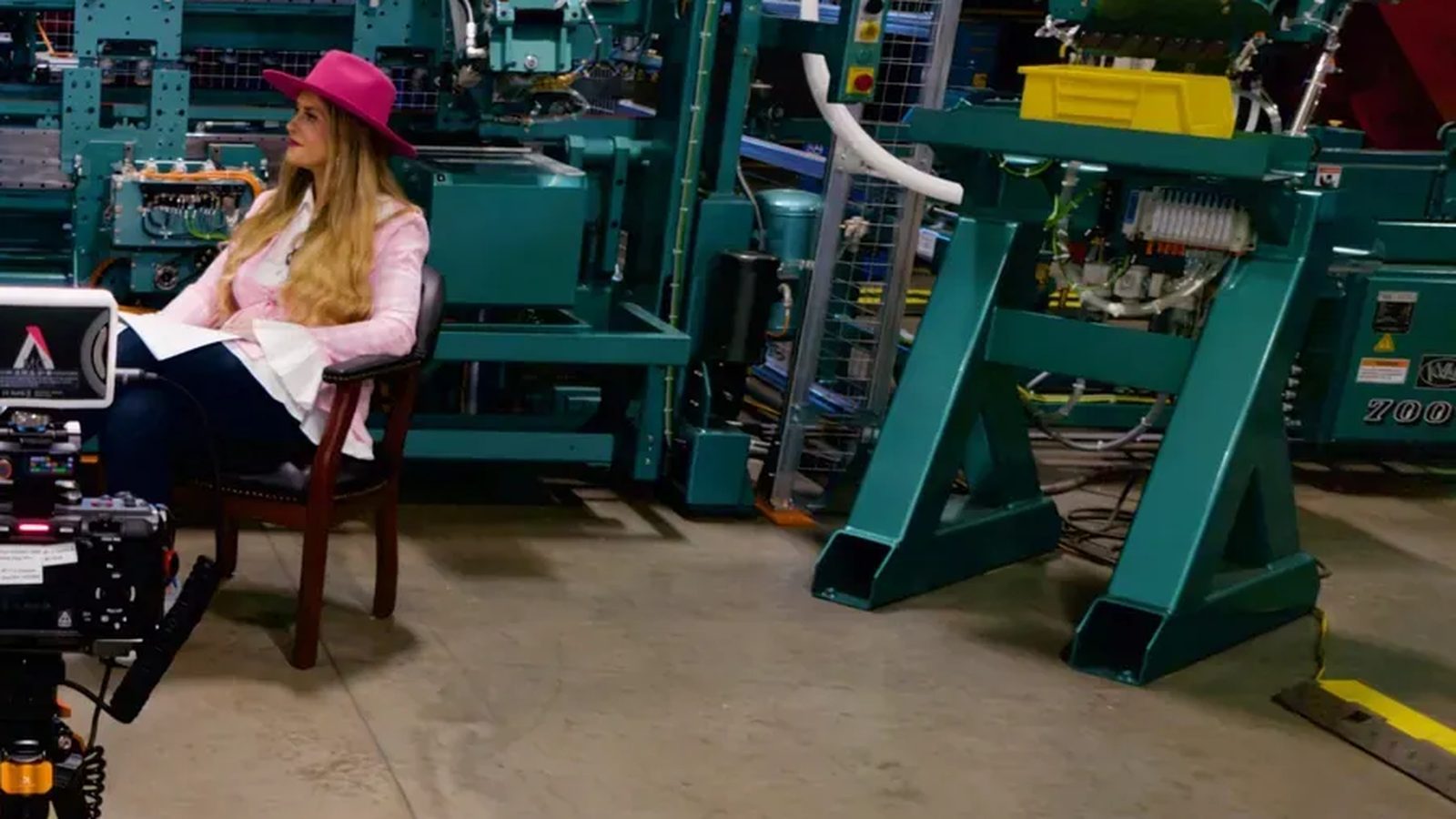
Let them explain it to you. Sit the interviewer near the camera so the speaker has a person to talk to. Check sound before anything important. If the machines are too loud, move the talk somewhere quiet and film the process on its own.
Never ask someone to show a task in a way that breaks safety rules. The camera does not outrank guards, protective gear, or a supervisor.
Ask About the Decision Under the Description
A broad question gets a broad answer. "What makes your company different?" usually gets a list of familiar words. A specific question gives the person something real to explain:
- "What did the customer need to decide before your team could help?"
- "Which detail changes the answer?"
- "What would a new salesperson miss here?"
- "What do you check before you tell someone yes?"
- "Can you show me what you mean?"
- "When would you suggest a different option?"
If the answer stays vague, ask for one example. If it gets too technical, ask how they would explain it to a new dealer employee. If they state a result, ask what shows it before you build on it.
Ask What the Work Is Supposed to Make Possible
On The Grit Blueprint Podcast, Stefanie Couch talked with Dori Shoshan of Panda Windows & Doors. Stefanie asked Dori to picture the family and the company in ten years and say what Dori hoped would be true. The answer was about Avi, Dori's father, getting to work only on product design, while the next generation and the leadership team run day to day operations. You can watch the Dori Shoshan conversation on YouTube. Paradigm sponsored that episode.
That one question gave a talk about software and plant systems a human reason. It was concrete, and it let the guest supply the purpose. Try it in your own interview: ask what the change is meant to make possible, and let them answer. Do not hand them a motive.
Follow Up Without Putting Words in Their Mouth
Try "What happened next?" or "What do you mean by faster?"
Avoid "So this cut your lead time in half?" unless that fact is already proven.
If the leader says a process is better, ask what changed. Maybe there are fewer revisions. Maybe the team now knows who owns the next step. Both are useful, but they are different claims.
Leave a pause after each answer. Do not finish their sentence. Before you move on, check whether the answer needs a limit, such as a product range, a region, job conditions, or the fact that something is still planned.
Edit for a Complete Answer
A clip should make sense without the off-camera question. Keep the question in, add it on screen, or ask the speaker to repeat the answer with the subject named.
Use this edit test:
- Can a viewer tell the subject right away?
- Does the clip answer one question?
- Are the example and any limits still there?
- Does every product claim match the approved facts?
- Does the ending leave the viewer with something to use?
Do not splice two answers into a stronger claim the speaker never made. Do not cut "we plan to" because it sounds punchier. Check captions against the audio, especially product names.
Show the reviewer a marked-up rough cut: where the answer starts, what you removed, which claim needs a check, and where the viewer goes next.
Turn One Interview Into a Company Piece and a Leader Piece
A company video may explain a product or process. A leader's version may explain the judgment behind the decision. Both can come from the same approved interview, but they should not share the same intro and the same ask. Decide which posts belong on the company page and which on the leader's own profile with our guide to company page versus executive profile. For what the leader should talk about next, see what building industry leaders should post on LinkedIn.
Keep Your Next Recording Small
Choose one speaker, one buyer question, and one example you can share. Send the cue card ahead of time. Record the answer, the follow-up, and any detail that helps explain it. Then make one useful edit and check it with the speaker.
If you want help, Grit Blueprint plans and films these interviews as part of executive branding for building industry leaders. It usually takes one focused conversation, at your office, on a jobsite, or online, and your leader approves every piece.
Questions and Answers
Usually not. A script fits a required legal line, an exact spec, or an approved announcement. When a leader explains their own work, a cue card works better: one viewer, one question, one real example, checked facts, limits, and a reviewer. The leader talks to a person instead of reciting a paragraph they had to memorize.
Start with easy questions about the work in front of them, like what happens at this station or what the team checks first. Then ask about decisions: what the customer had to decide, which detail changes the answer, and what a new salesperson would miss. Specific questions give the person something real to explain.
Do not feed the speaker a result, such as asking whether a change cut lead time in half. Ask what changed and what shows it. In the edit, do not splice two answers into a stronger claim, and keep words like 'we plan to'. Have a technical reviewer check every product claim before publishing.
Run a five-point test. A viewer can tell the subject right away. The clip answers one question. The example and its limits are still there. Every product claim matches the approved facts. The ending leaves the viewer with something to use. Then show a marked-up rough cut to the reviewer and the speaker.
Yes. A company piece can explain a product or process, and the leader's piece can explain the judgment behind the decision. Both can come from the same approved interview. Give each a different intro and a different ask, and get the leader's approval on anything said in the first person.
Want Help Putting It to Work?
A free call with Stefanie Couch. About 30 minutes.
Not ready to talk? Get the Built to Win Newsletter

Written by Stefanie Couch
Founder of Grit Blueprint and the front-facing voice of the brand. Stefanie helps companies across the building industry turn hard-earned trust into visible proof, useful content, and AI-search-ready authority. Known on stage, on the mic, and for her signature pink hat.