
Film the customer story that answers an important buyer question, with proof you can show and permission you can use. The prettiest project may be the right pick, but it should not win just because the photos look expensive. First decide what the viewer needs to believe, understand, or check. Then choose the story that can carry that job.
A story can be useful without claiming you doubled someone's sales. It can show a hard decision, a specific process, or a handoff that buyers need to understand.
Start With the Question Your Sales Team Keeps Answering
Ask a rep to finish this sentence: "Before this buyer moves forward, they need to know ______."
The answer might be whether your team understands their kind of project. It might be how a custom order moves through the plant, or what happens when the job changes.
Do not start with "Which customer will say the nicest things about us?" A willing customer helps. Praise with no specific story gives the viewer little to judge.
Choose one main question. If the story has to prove ten things, it does not have a job yet.
Look for Proof in the Work Itself
The best evidence is often something the camera can watch. Grit Blueprint made several films for Tucker Door & Trim. In the Behind the Build tour, Production Manager Jason Gert walks the custom door shop, from millwork to the door lines. A short employee video features Albert Davis of the simulated divided lite department, built around one hard fact of the job: a cut that comes up 1/16 inch short means starting over. You can see both in the Tucker Door & Trim story.
Those details give a viewer something to examine beyond "we care about quality." That is process evidence. It does not prove product performance or business growth. Keep that line clear when you choose your own story.
If the claim is "we built a sales tool," show the tool and what it helps someone do. If the claim is "customers got answers faster," you need a real record of time, a fair comparison, and approval to use it. A smiling interview cannot fill in missing numbers.
Pass Two Gates Before You Score Anything
Permission. Can the customer, the location, and the people in it approve the use you have in mind? Confirm who controls the photos, plans, footage, and logos you want to show.
Evidence. Can you back up the main claim without exposing confidential details or overstating what happened?
If either answer is no, hold that story or that claim. A high score for looks should never outweigh missing permission. You can narrow the subject or pick another story while the gap gets fixed.
Score the Stories That Pass
Give each story 0 for missing, 1 for partial, and 2 for strong on these five points. This is a way to compare stories. It does not predict leads or sales.
- Buyer fit. 0: no clear buyer question. 1: a broadly relevant subject. 2: answers a current question buyers ask again and again.
- Proof you can show. 0: rests on praise alone. 1: some supporting material. 2: approved scenes or documents back up the claim.
- A real decision. 0: a company overview only. 1: a problem, but no clear choice. 2: a real limit and a decision viewers can follow.
- Can you film it. 0: the key work cannot be captured. 1: an interview with a little supporting footage. 2: safe access to the people and the work.
- Reuse. 0: nowhere to use it after launch. 1: one likely use. 2: a named sales use plus a page or channel.
Add the five scores for a total out of 10. Use the total to compare, then read the weak spots. An 8 does not rescue a story whose main proof is missing.
Add one line outside the score: what will this cost in travel, access, staff time, and editing? Two equally useful stories can take very different effort.
A Made-Up Comparison: the Beautiful Home and the Ordinary Order
Say a window brand has two possible stories.
The first is a stunning home. The homeowner agrees to filming and the photos are great, but there is no approved performance data. The story can show design choices and the homeowner's real experience. It should not turn into an energy savings claim.
The second is a dealer's first custom order. It is less dramatic. But the dealer can explain one confusing step, show the approved ordering material, and describe how the team sorted it out. Prices and customer details stay off camera.
For a campaign aimed at homeowners choosing a look, the home may win. For reps helping dealers understand ordering, the second story is the better fit. The right answer changes with the buyer, which is why the question comes before the score.
Let Customers Tell It in Their Own Words
A customer's view can answer a question your own team cannot. At IWF 2026, Grit Blueprint filmed six customer features for ARAUCO alongside five executive interviews. In one, Jon Minnaert of Aetna Building Solutions explains what makes ARAUCO a strong supplier from a customer's side of the relationship. The ARAUCO IWF story shows how the customer voices fit with the rest of the package.
Give the customer the subject and topics ahead of time. Ask for their account, not a scripted endorsement. If their answer is less glowing or less certain than you hoped, do not edit it into a stronger claim.
Turn the Winner Into a One Page Brief
Before you book a crew, write down:
- Viewer: who should see their own problem in this story?
- Question: what will the story answer?
- Decision: what did the customer choose, and why?
- Proof: what can the viewer see or check?
- Limits: what are we not claiming?
- People and access: who needs to take part or approve?
- Next use: which rep, page, or campaign will use the finished piece?
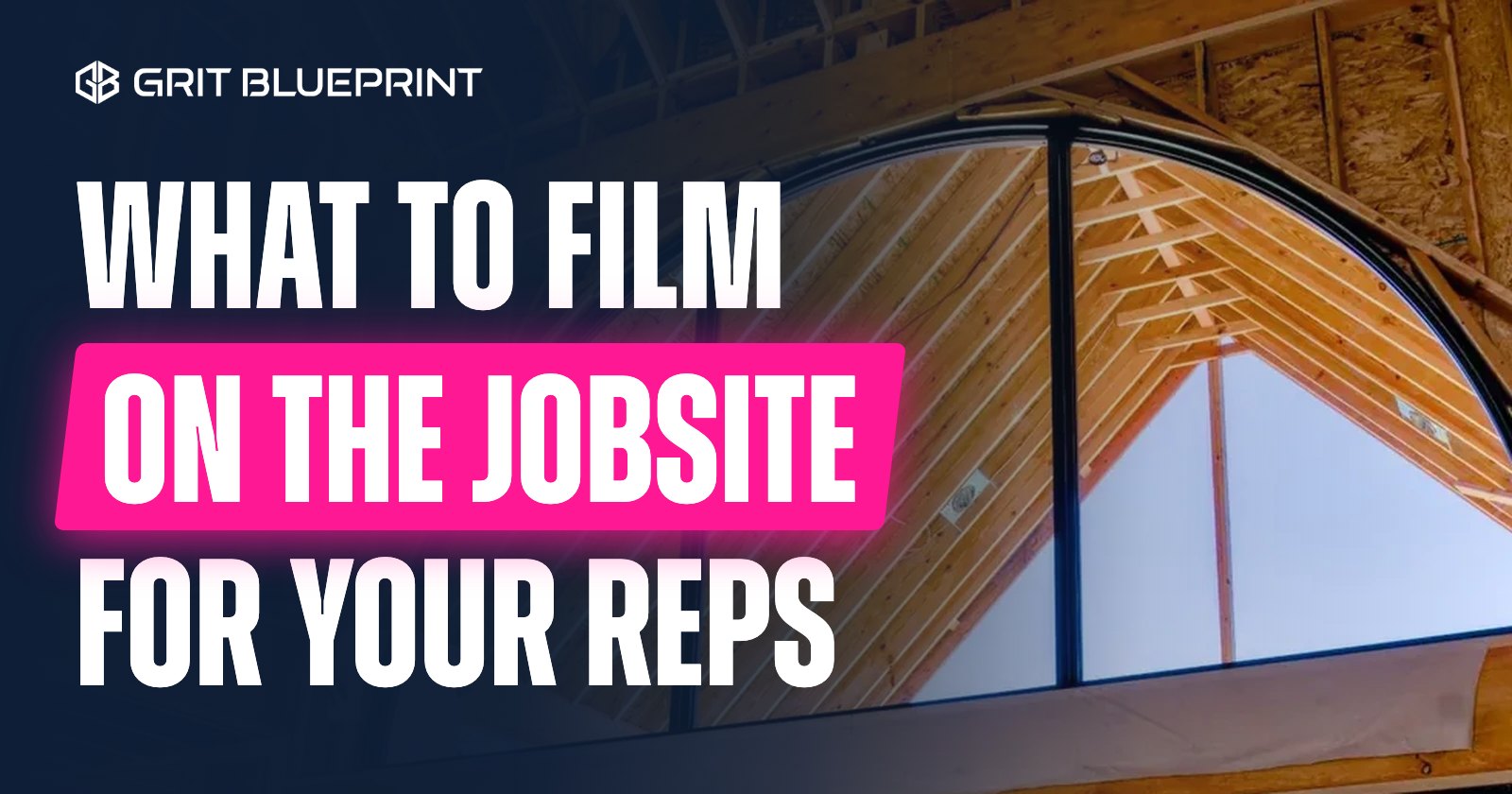
Then plan the shoot. For a story set in a plant, use what to ask a plant manager for a video buyers will use. For one set on a job, use what to film on a jobsite so reps can use it.
Know When Not to Film Yet
Wait when the project is still changing or the outcome has not been measured. Wait, too, when the customer cannot approve public use, or the only usable footage would show confidential information. A written explanation of the process can serve the buyer now while the story develops.
Pick three possible stories and score them with a sales lead and the person who will produce the work. Book the one with a useful question, proof you can back up, and a real place to go after the edit. When you are ready to film, Grit Blueprint's photo and video crew can shoot it at your plant, yard, showroom, or jobsite.
Questions and Answers
Start with a question your sales team keeps answering, then pick the story that answers it with proof you can show and permission you can use. Clear two gates first, permission and evidence. Then score the stories that pass on buyer fit, proof, a real decision, whether you can film it and reuse.
One clear buyer question, a real decision the viewer can follow, and evidence the camera can see, such as the process on the shop floor or the ordering material a dealer used. Praise alone gives viewers little to judge. Keep claims to what you can back up and the customer has approved.
Only if it answers the question your buyer has. A stunning home may be right for homeowners choosing a look. A plain first custom order may serve reps better if dealers are confused about ordering. Decide the viewer and the question first, then compare the stories.
The customer, the location, and the people on camera must approve the specific use. Confirm who controls the photos, plans, footage, and logos you want to show. If permission is missing, hold that story or narrow the subject until the gap is fixed, no matter how well it scores.
Wait when the project is still changing, the outcome has not been measured, the customer cannot approve public use, or the only usable footage would show confidential details. A written explanation of the process can help buyers in the meantime while the story develops.
Want Help Putting It to Work?
A free call with Stefanie Couch. About 30 minutes.
Not ready to talk? Get the Built to Win Newsletter

Written by Stefanie Couch
Founder of Grit Blueprint and the front-facing voice of the brand. Stefanie helps companies across the building industry turn hard-earned trust into visible proof, useful content, and AI-search-ready authority. Known on stage, on the mic, and for her signature pink hat.