
To market a new window and door showroom opening, give people a real reason to come. Pick the choices they can make in the room that they cannot make from a page of photos. Then make it easy for the right people to show up, bring the right details, and leave knowing what happens next. Plan before the invitation goes out, run the day like a set of appointments, and follow up on every open question.
What Makes a Showroom Worth the Drive?
A showroom earns the trip when buyers can see or do something there they could not do online.
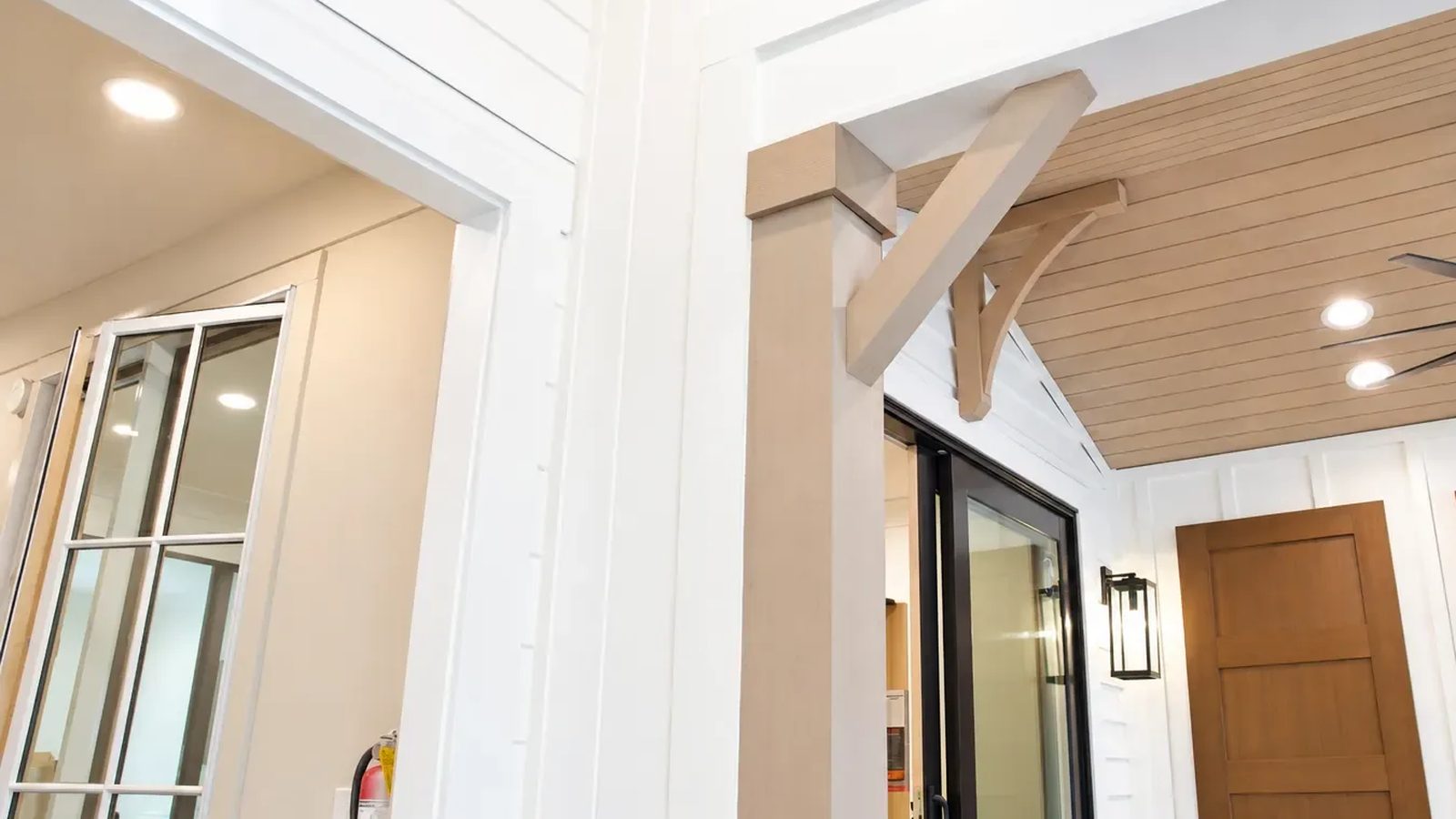
Lummus Supply, a dealer based in Acworth, Georgia, has full-size tiny homes in its showroom. I sat down with Will Lummus, the fifth-generation CEO, inside one of them for an episode of The Grit Blueprint Podcast. The tiny homes let buyers lift, open, and feel full-size product before they buy, which a wall of samples cannot do.
Lummus Supply is a Grit Blueprint client, and you can see the film, podcast, and photos we made with Lummus Supply. I use its showroom only as an example of a display worth the drive. The opening plan below is general advice. It is not how Lummus opened a showroom, and it says nothing about traffic or sales at any opening.
You do not need a tiny home. You need one or two displays that answer a question a buyer cannot answer from a picture.
Before the Opening: Plan the Visit, Then Send the Invitation
What should people be able to compare in the room? Pick a few choices your displays are ready to support. For example:
- A builder needs to compare two door setups with a homeowner.
- A designer wants to see how a finish looks in person.
- A dealer's rep wants to know which product questions need a technical contact.
Write a short path for each kind of visitor. Where do they walk in? Which displays should they see? Who answers the next question? If appointments help, give the invitation one clear way to book. Do not make people guess who to call or which location has the display.
Check your location page. Make sure the address, hours, parking or entrance notes and contact details are right. If some displays are by appointment only, or are not at every branch, say so. Test the page and the booking path on a phone. For the everyday side of being found locally, see local search for lumberyards and showrooms.
On Opening Day: Give People Something to Do
A builder who came with plans should not stand in a crowd waiting for someone to notice. Put one person in charge of greeting trade visitors. Offer a short walk past the key displays. If someone needs more time, make it easy to book a working appointment.
Here is a short run sheet you can change to fit your room.
| When | Job | Who owns it |
|---|---|---|
| Before doors open | Check that the invitation, location page, and room all tell people where to go | One person at the showroom |
| At the door | Ask what the visitor is working on and who else needs to see the options | Host |
| At the display | Help them make one choice, or note what still needs checking | Sales or product lead |
| Before they leave | Agree on the next step, who owns it, and when they will hear back | Assigned rep |
| Before sharing photos or video | Confirm faces, product details, and permission for each planned use | Marketing lead |
If you film the day, get a short clip that answers one buyer question. A wide shot of the room looks nice. A side by side comparison gives your rep something to send to the person who could not come. If you want a crew for that, see how Grit Blueprint handles event photo and video.
After the Opening: Keep the Showroom Useful
Give reps the short list of questions people asked. Add the answers to the location page or the product pages that should have them. If you promised to send information or book a visit, put one person in charge of each promise.
Then look at three things. Which appointments came from the opening? Which displays helped people decide? Which questions did the team still have to take back to the office? If everyone asked to see a finish you did not have, you now know what to add or explain before the next visit.
When the next step is a quote, make sure the website sends people to the right place. Dealer locator or get a quote helps you choose the right button.
Walk the Room as a Builder Before You Invite Anyone
Pretend you are a builder bringing a customer next Tuesday. Can you tell who to call, what to bring, what you will see, and what happens after? If any answer is no, fix that path before you ask people to come.
Questions and Answers
Pick the choices buyers can make in the room that they cannot make from photos. Plan a path for each kind of visitor, give the invitation one clear way to book, check the location page on a phone, run the day like appointments, and follow up on every open question.
Name an owner for each moment: someone to check the invitation and location page before doors open, a host at the door, a sales or product lead at the displays, an assigned rep who agrees on next steps, and a marketing lead who confirms permission before photos or video are shared.
A display earns the trip when buyers can see or do something they could not do online. At Lummus Supply, full-size tiny homes let buyers lift, open, and feel full-size product. You do not need a tiny home, just a display that answers a real question.
Get a short clip that answers one buyer question, like a side by side comparison of two finishes or door setups. A rep can send it to someone who could not attend. Confirm faces, product details, and permission before you share any clip.
Look at which appointments came from the opening, which displays helped people decide, and which questions the team had to take back. Add those answers to the location or product pages and give each promised follow-up one owner.
Want Help Putting It to Work?
A free call with Stefanie Couch. About 30 minutes.
Not ready to talk? Get the Built to Win Newsletter

Written by Stefanie Couch
Founder of Grit Blueprint and the front-facing voice of the brand. Stefanie helps companies across the building industry turn hard-earned trust into visible proof, useful content, and AI-search-ready authority. Known on stage, on the mic, and for her signature pink hat.