
A building industry sponsorship should get you in front of the right audience with a clear way to help them. Before you buy, get the deliverables, placement, dates, content rights, and reporting in writing. A logo on a crowded slide is a very different purchase from a useful session your sales team can share after the event.
Start with what you want the right people to do. Then decide if the sponsorship helps them do it.
Buy the Audience Before the Package Name
Gold, platinum, and presenting sponsor tell you where a package sits on a price sheet. They do not tell you if your buyer is in the room.
Ask who attends, what jobs they hold, and why they come. A manufacturer looking for new dealers needs a different room from a dealer trying to reach local remodelers. A room full of familiar vendors may be good for partnerships without bringing you new customers.
Ask where the audience numbers come from. Are they registrations, people who showed up, email subscribers, or social followers? Are they from the last event or a guess about the next one? Keep those groups apart. If no one can explain a number, do not use it to justify the spend.
Decide What the Content Should Help a Buyer Understand
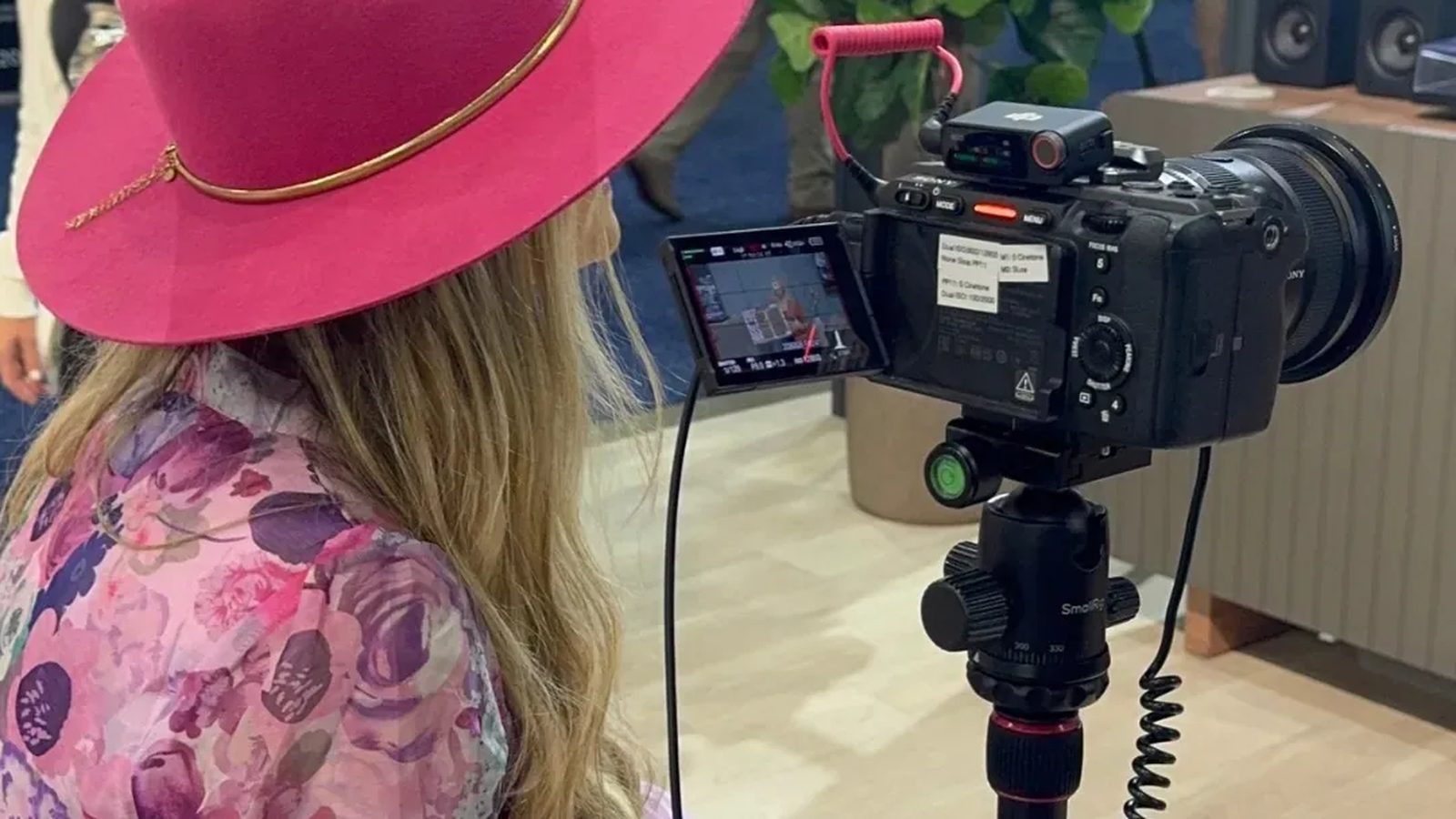
Here is a real example. At a Do it Best Market, Stefanie Couch recorded an episode with Scott Morrison of Do it Best for The Grit Blueprint Podcast. Scott explains how he maps the flow of a lumberyard or a door shop, including zone picking and staging. Partway through, Stefanie tells listeners on air that Do it Best Group sponsored the episode. Listeners get a subject they can use, and they know who paid for it.
That public episode shows what was made. It does not tell you what the sponsorship cost, what the audience did afterward, or what reuse rights came with it. Check those for any package you buy. Grit Blueprint also sells sponsored stories, so treat this as one example of the format and hold every seller, us included, to the questions below.
A useful sponsor brief starts with one question: after this session or piece of content, what should a buyer understand that they did not understand before? "Know our name" can be part of the goal. Pair it with something more useful, such as understanding a product category, knowing what to ask a supplier, or seeing how a process works.
Compare the Full Commitment With This Worksheet
| Question | What a usable answer includes |
|---|---|
| Who will see it? | The roles in the audience, where the count comes from, and its limits. |
| What will we receive? | Named deliverables, how many, the formats, and where they appear. |
| When does it happen? | Dates for recording, review, delivery, and sharing. |
| Who does the work? | Who produces it, who preps the speaker, who edits, and who approves. |
| What can we reuse? | The channels, how long, paid use, and whether you can edit it. |
| Who can we contact afterward? | The agreed way contacts are shared and how you may use them. |
| What will be reported? | Proof the placement ran and any activity that was measured. |
| What could cost more? | Travel, staff time, extra edits, licensing, or extra distribution. |
| What happens if plans change? | A written process for cancellation, a missed deliverable, or a substitute. |
Have the right person review the agreement. A spoken "you can use everything" leaves too much unanswered.
Know the Difference Between Posting and Owning
A video being posted does not mean you own it. Getting a finished file does not tell you if you can run it as an ad, give it to dealers, recut it, or use every person's face in a new campaign.
Ask about the finished edit, the raw footage, music, graphics, guest permission, and paid promotion one by one. If your dealers will use the content, put that in the conversation. Do not assume your rights pass to them.
Also keep the event's sharing separate from yours. "Included social promotion" needs an account, a deliverable, and a date. It does not come with a promised reach number. These are buying questions. The actual terms still need a careful read.
Choose One Outcome Your Team Can Follow Through On
Here are two made-up offers. Package A puts your logo in more places and includes a reception. Package B reaches fewer people but includes a product education session and a finished clip with the reuse you need.
Neither one wins every time. If your goal is to get closer to a handful of dealer principals you already work with, the reception may fit better. If your reps need a lasting answer to a question buyers keep asking, the session and the clip may be worth more.
Now add your own team's time. Who attends? Who preps the speaker? Who handles the follow-up? Who puts the finished clip where reps can find it? If you cannot name those people, cut the scope before you raise the spend. If your team is exhibiting instead of sponsoring, use a trade show video plan your booth team can use.
Make a Buy, Revise, or Pass Decision
- Buy when the audience, deliverables, rights, and follow-through all serve one clear business goal.
- Revise when the audience fits but the package needs a different subject, fewer deliverables, or better reuse terms.
- Pass when the pitch depends on vague exposure, access your team cannot use, or rights nobody will explain.
After the event, keep one record: what was promised, what arrived, what your team used, and which useful conversations followed. Do not count every sale after the show as caused by the sponsorship.
Before your next sponsor call, fill out the worksheet with what you know. The blank spaces are your agenda. To see how Grit Blueprint writes down production, sharing, sponsorship, usage, and reporting in its own agreements, read how sponsored stories work at Grit Blueprint. If you only need a crew to capture an event you are already part of, see event media production.
Questions and Answers
Get it in writing: who will see it, the named deliverables and formats, the dates, who does the work, what you can reuse and for how long, how contacts are shared, what will be reported, what could cost more, and what happens if plans change.
Ask where each number comes from. Registrations, people who showed up, email subscribers, and social followers are different groups. So are last year's counts and a guess about next year. Keep them apart, and do not use a number to justify the spend if no one can explain it.
Not automatically. A posted video or a finished file does not tell you if you can run it as an ad, recut it, give it to dealers, or reuse people's faces. Ask about the edit, raw footage, music, graphics, guest permission, and paid use one by one, and get the answers in writing.
Pass when the pitch depends on vague exposure, gives access your team cannot use, or comes with rights nobody will explain. Revise when the audience fits but the package needs a different subject, fewer deliverables, or better reuse terms. Buy when everything serves one clear goal.
Keep one record of what was promised, what arrived, what your team actually used, and which useful conversations followed. Do not count every sale after the show as caused by the sponsorship. Compare what you got against the worksheet you filled out before you signed.
Want Help Putting It to Work?
A free call with Stefanie Couch. About 30 minutes.
Not ready to talk? Get the Built to Win Newsletter

Written by Stefanie Couch
Founder of Grit Blueprint and the front-facing voice of the brand. Stefanie helps companies across the building industry turn hard-earned trust into visible proof, useful content, and AI-search-ready authority. Known on stage, on the mic, and for her signature pink hat.