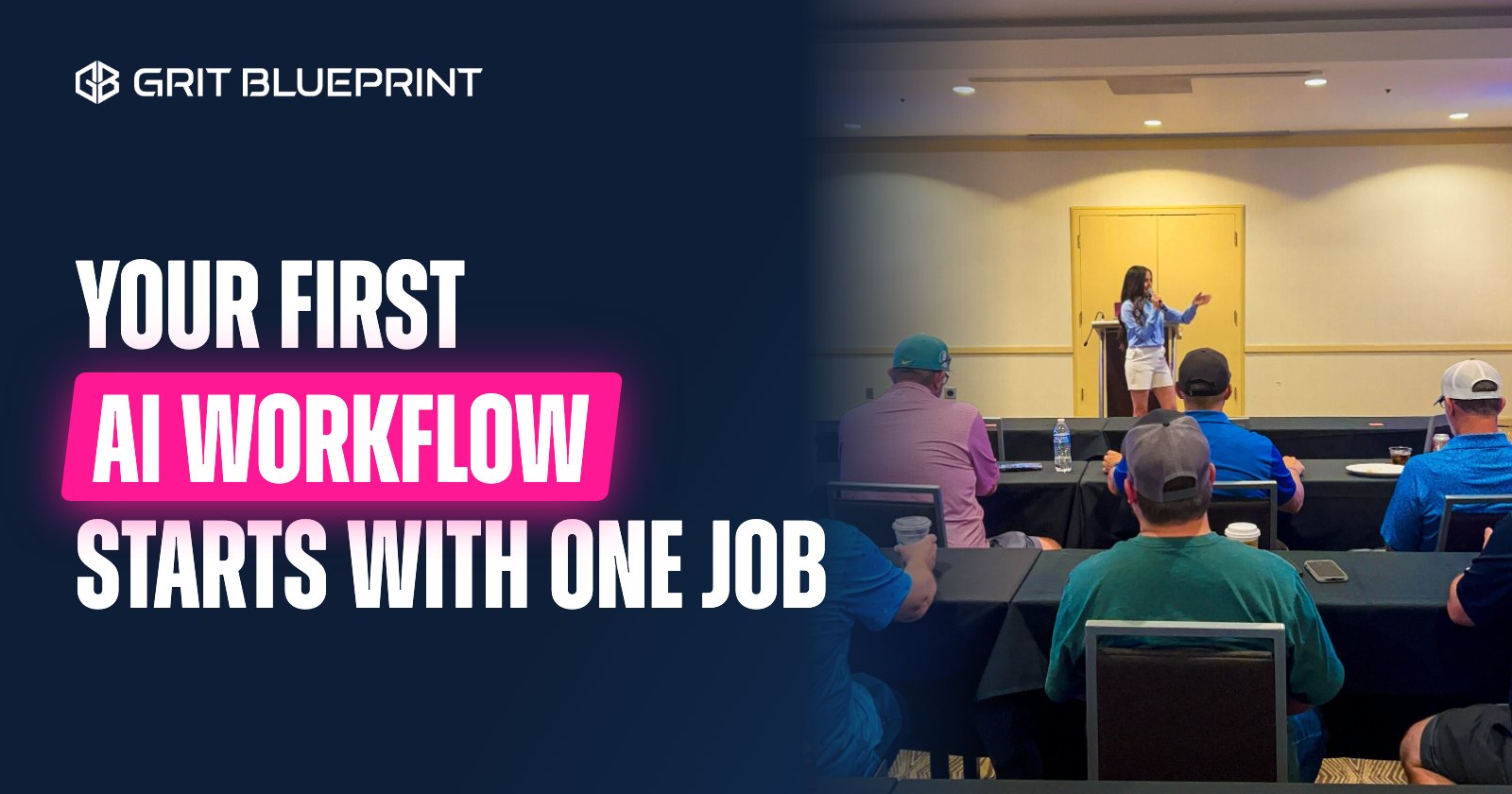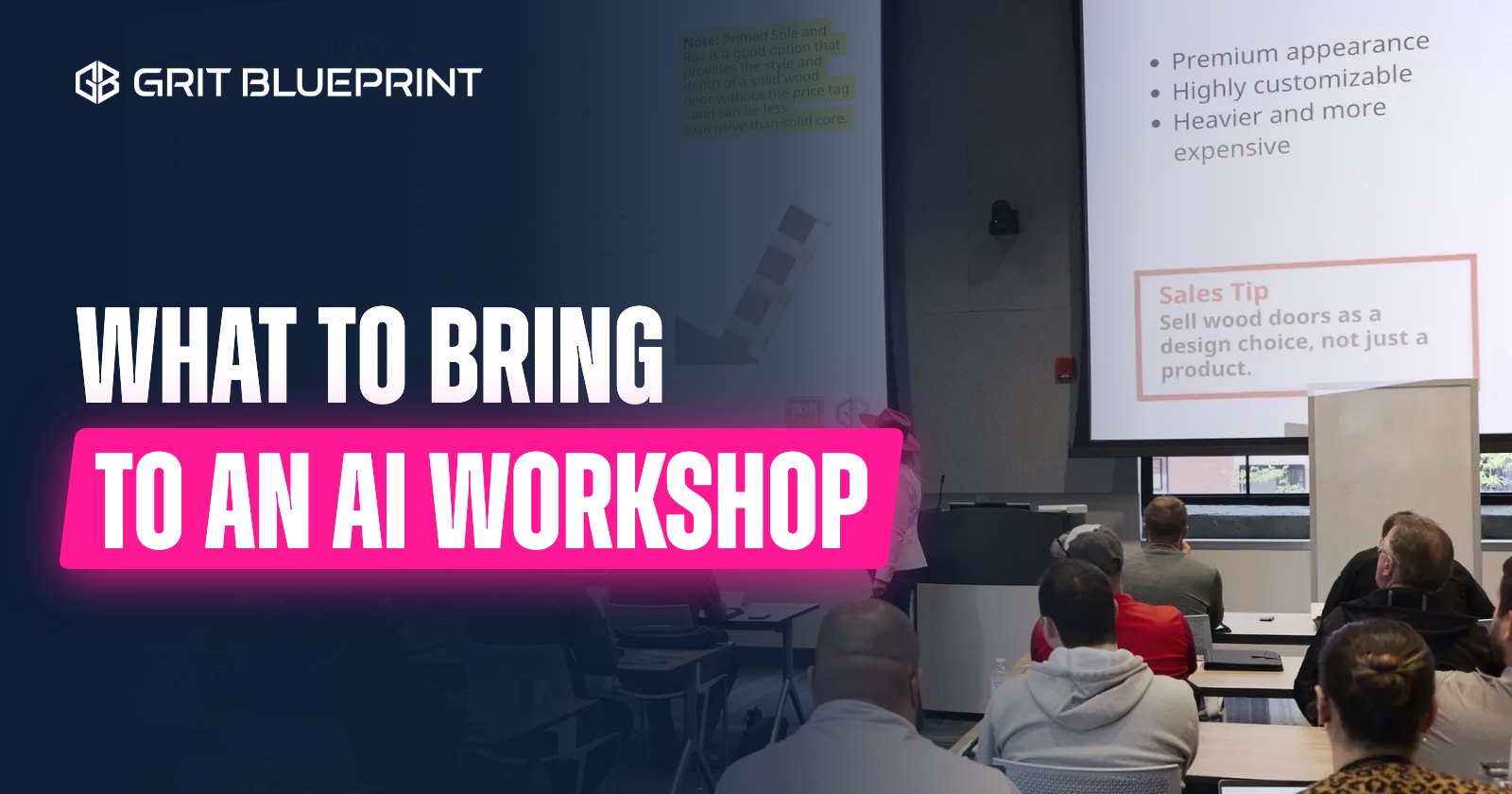

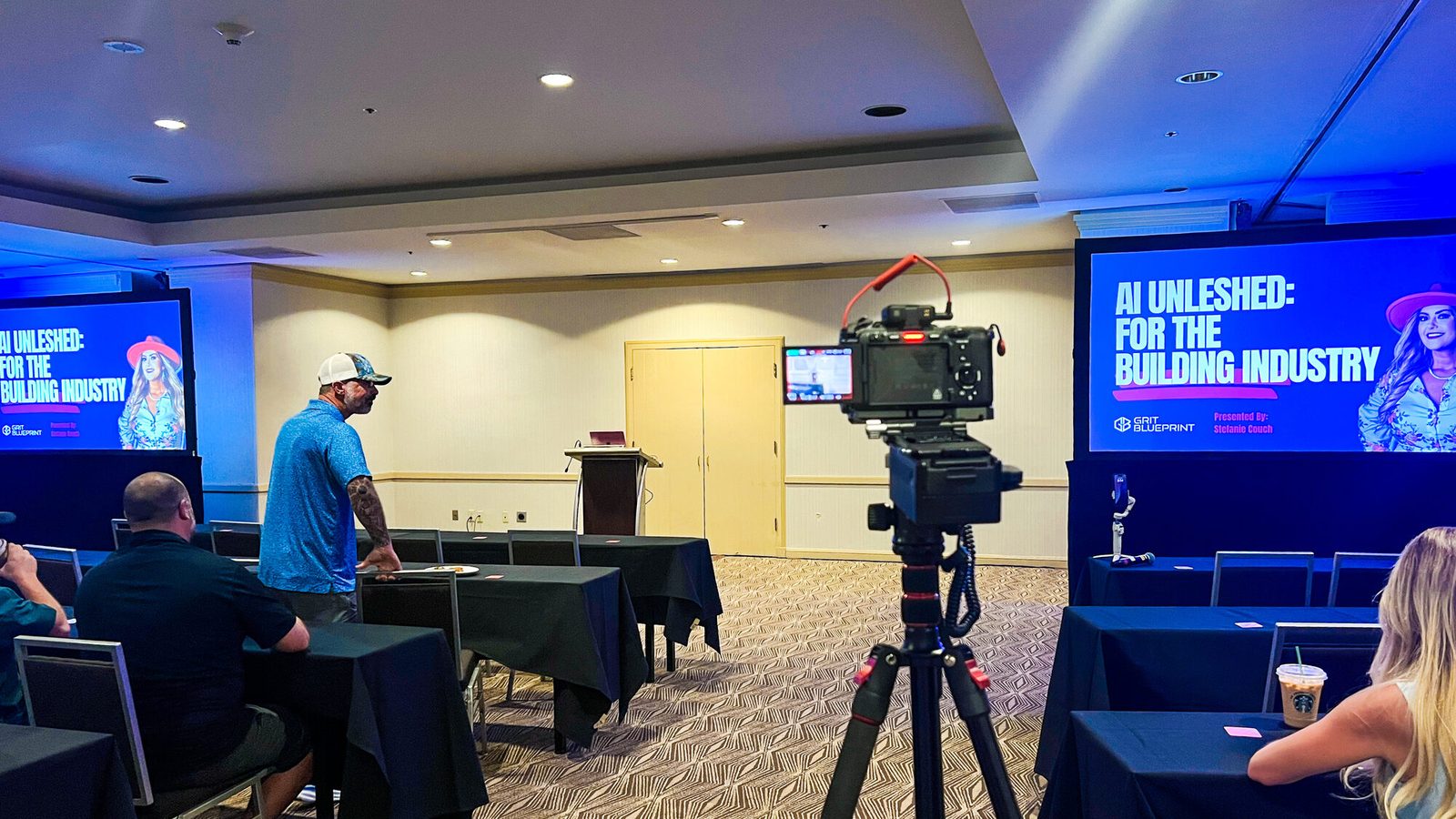
In a good AI workshop for a small team, people spend most of the time doing one job they already do, with AI, and checking what it gives back. They do not sit through a tour of tools. They try a real task, catch a mistake on purpose, and leave with a way to do that task again on Monday.
This guide walks through what should happen before, during, and after the session. It also gives you a sample exercise you can run yourself to see if a workshop is worth paying for.
What Should Happen Before the Workshop?
A good trainer asks about your people before the day. What do they do all week? Where do they lose time? Has anyone used AI yet? A beginner and a daily user can work on the same business problem. They should not be stuck doing the same exercise.
Then the trainer and your team pick one job that fits on a single sheet of paper. A sales rep could turn call notes into a draft recap. An operations lead could pull open items out of shift notes. A counter or service rep could draft an answer from an approved product sheet.
Your part is getting the right practice material ready. That has its own checklist: what to bring to an AI workshop so your team can use it on Monday.
What Happens in the Room?
Everyone works one job all the way through. Here is a made-up exercise for a building supply sales team:
- Give everyone the same short set of made-up notes from a quote call.
- Ask each person to mark what the customer needs, what the rep still has to confirm, and who owns the next step.
- Have them use AI to draft the recap, then check it against the notes.
- Hand out a draft with a planted mistake and have them find it.
- Leave with a reusable template and one rule. A person checks dates, prices, promises, and who it goes to before anything is sent.
Try the Mistake Yourself
You can run this part before you book any training. Use this made-up note: "Builder asked whether Friday delivery is possible. Opening size still needs checking. Rep will confirm both before quoting."
Now give your team this draft: "Your order will arrive Friday."
Ask them to sort the facts into three piles. What did the customer ask for? What did the team confirm? What is still unknown? The note confirms no order and no delivery date. A useful recap keeps the Friday question open and tells the rep what to do next.
The mistake is the most useful part of the exercise. A draft can read well and still turn a question into a promise. When your team knows what to look for, the workshop has taught more than where to type.
A good trainer can also explain how this exercise changes for different jobs. The person answering the customer and the person scheduling the truck both need to keep a requested date from turning into a promise. They just check it in different places.
Questions to Ask a Trainer Before You Book
| Ask the trainer | A useful answer sounds like |
|---|---|
| Will we work on something we do now? | Yes. Here is the task, who does it, and what a good result looks like. |
| Will my team do the work or just watch? | Each person tries it, finds a mistake, and fixes it. |
| What can we bring, and what should stay out? | Clean samples and approved tools. No customer files just to make the demo feel real. |
| What will people have when they get back to work? | A template, a short checklist, and a person who owns the next try. |
| What if half the room is brand new? | Everyone starts on the same job. Daily users get a harder case. |
If a trainer cannot say what your people will do in the session, ask for one example first. You can learn a lot from whether they talk about your work or only about the software.
How Grit Blueprint Runs Its Sessions
This is how we plan workshops and training for building industry teams. You pick one task your team already does. You bring examples people are allowed to use, plus someone who can check product details. In the room, people practice on that task and learn to check what AI gives back. Afterward, your team has a task to keep using and the manager has something clear to follow up on.
Leaders who want to compare training with a custom tool can see both side by side on our AI training page.
What Should Your Team Be Able to Do After?
Try a simple Monday test. Give the team a new set of made-up notes without showing them the answer from the workshop. Can they get to a usable draft? Can they spot a date or detail the tool made up? Do they know when to stop and ask a person?
If they can, the workshop did its job. To see whether the habit holds over the next few weeks, use a 30-day check for whether your AI workshop stuck. When one task is working well, you can turn it into your first repeatable AI workflow.
If you are still deciding where to start, bring one job your team repeats every week to the first conversation with any trainer. Start with that one job and leave the long wish list for later.
Questions and Answers
In a good workshop, people spend most of the time doing one job they already do with AI and checking what it gives back. They try a real task, catch a mistake on purpose, and leave with a template and a rule for what a person must check before anything is sent.
Ask whether your team will work on a task it does now, whether each person will do the work or just watch, what material may come into the room, what people will have when they get back to work, and how the trainer handles a room where half the people are brand new.
Yes. Everyone can work on the same business job, such as turning call notes into a recap. Beginners learn the basic steps and checks. People who already use AI every day get a harder version of the same case, so nobody is stuck waiting or lost.
Each person should leave with a template for one job they already do, a short checklist for what a person must check before anything is sent, and the name of the person who owns the next try. On Monday, they should be able to do that job again on a new example.
It is a draft with an error put in on purpose, such as a recap that says an order will arrive Friday when the customer only asked about Friday. The team checks the draft against the notes and finds the error. It teaches people that a draft can read well and still turn a question into a promise.
Want Help Putting It to Work?
A free call with Stefanie Couch. About 30 minutes.
Not ready to talk? Get the Built to Win Newsletter

Written by Stefanie Couch
Founder of Grit Blueprint and the front-facing voice of the brand. Stefanie helps companies across the building industry turn hard-earned trust into visible proof, useful content, and AI-search-ready authority. Known on stage, on the mic, and for her signature pink hat.