
To tell whether an AI workshop stuck, check three things over the next 30 days. Can people repeat a useful job on their own? Do they catch the tool's mistakes? Does the whole job take less effort once you count the checking and fixing? That tells you more than counting logins or asking if people liked the class.
People enjoyed the session. They asked good questions. A few stayed late to try one more example. That says something good about the day. It does not yet tell you whether the work changed.
Thirty days is a suggested review period. Some teams will need longer, and some tasks will turn out to be a poor fit. Both are useful things to learn.
What Does It Look Like When Training Sticks?
It usually looks small at first. One person takes one task from the workshop and keeps doing it. Then they add another.
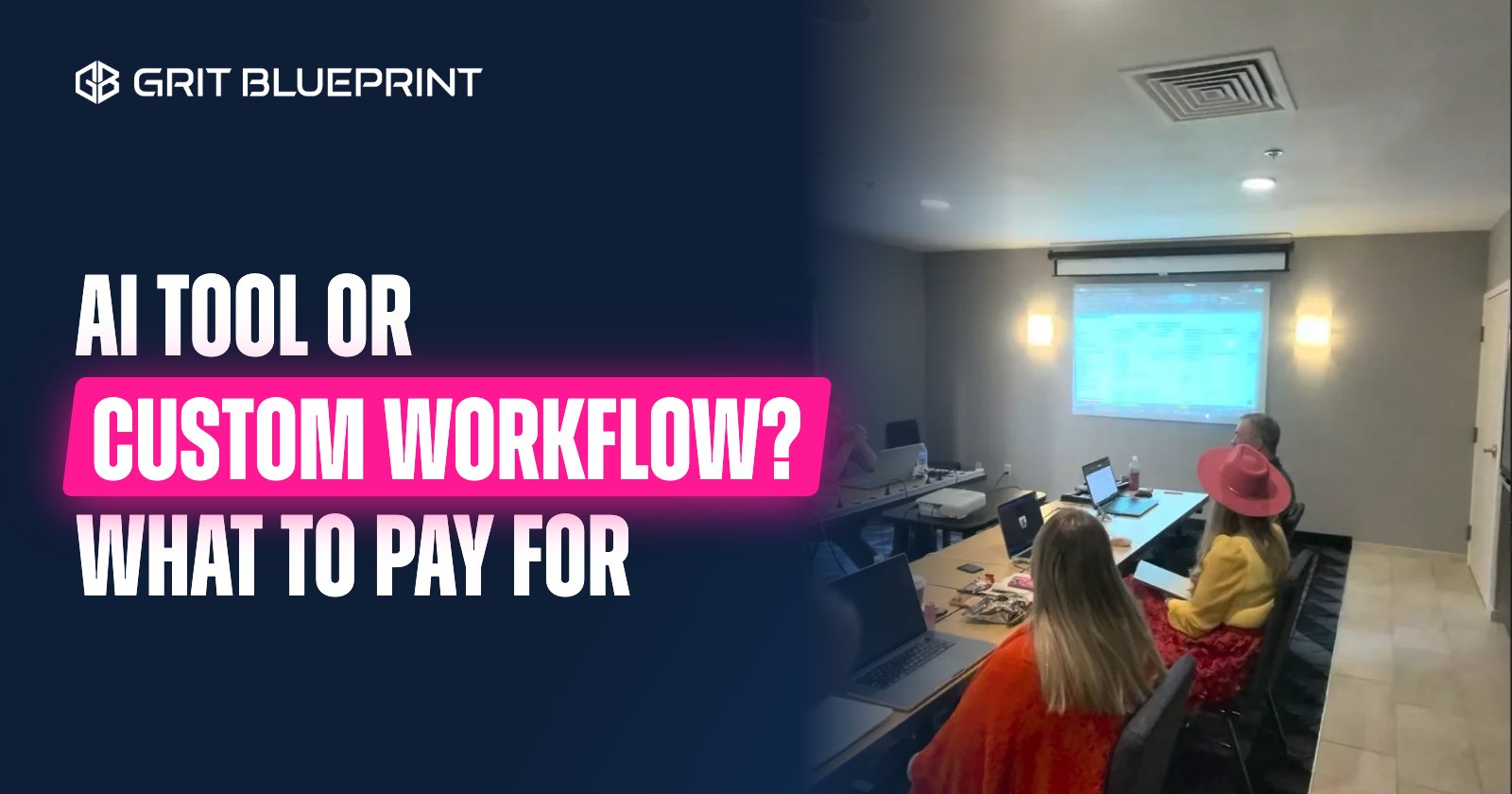
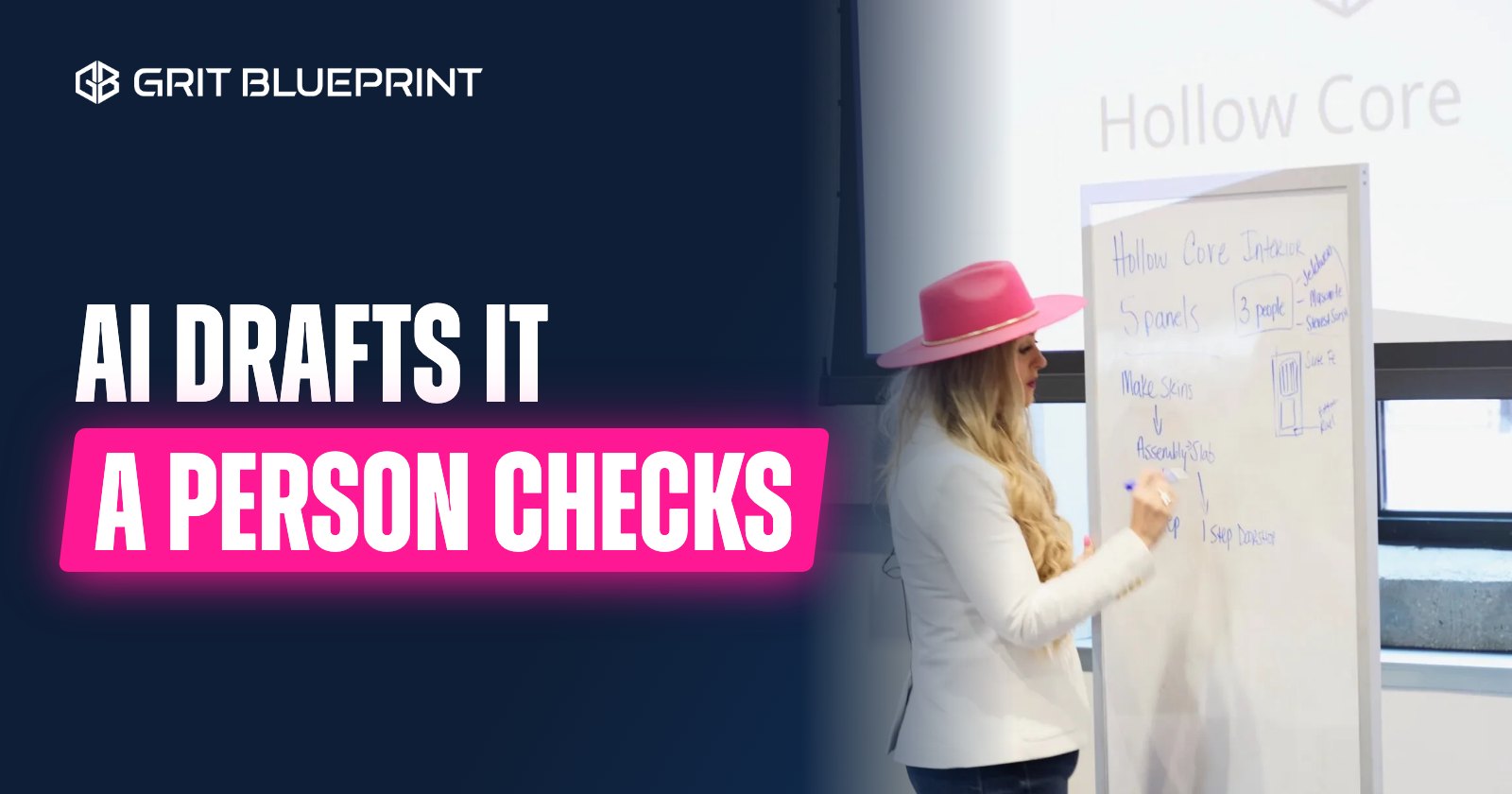
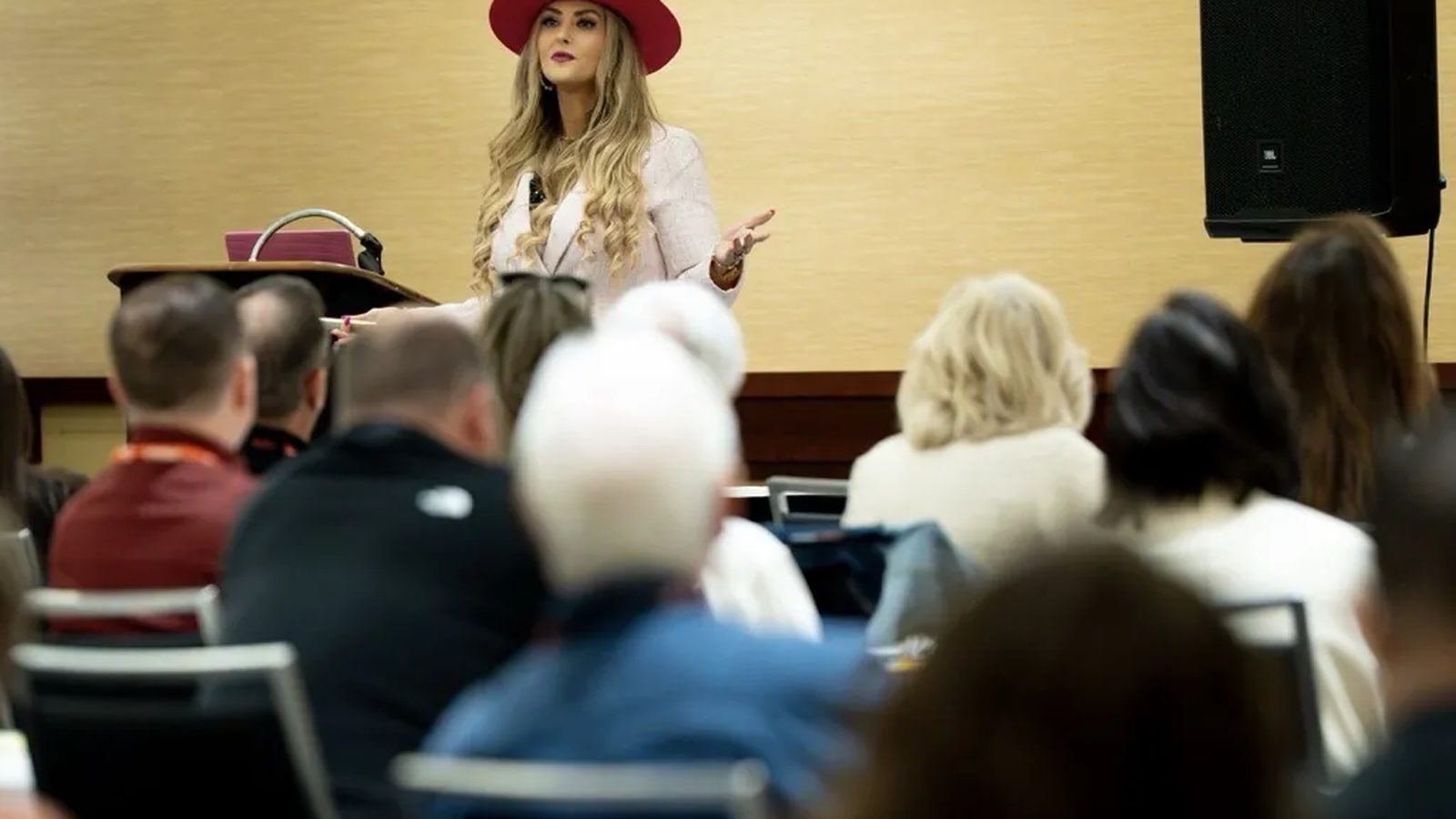
Jon Silcox, Operations Manager at Henry Poor Lumber, went to one of Stefanie Couch's AI workshops at a Do it Best event. In his video on our AI training page, he describes how he began: "I started with just writing emails." He went on: "And then from there, it just kind of blossomed and then I started adding more."
That is one person's own account, not a measured result for a team. It does show the pattern to look for in your 30 days. Start with one job, get good at it, then add the next.
Before the First Real Use, Name the Job
Pick one task from the workshop that the team is allowed to try. Write down how the task works today. Who does it? What counts as done? How do they check it? Where do delays or mistakes happen?
If nobody wrote this down before training, say so and start measuring now. Do not ask people to guess how long the job used to take so the training looks good.
For a building supply team, pick a task that follows a real handoff. Did the showroom recap tell the product specialist which choice was still open? Did the internal note reach the rep who owns the builder account? A neat draft that leaves the next person guessing has not finished the job.
Keep the job narrow so you can compare it week to week. An internal meeting recap and a customer proposal are two different jobs.
Week One: Watch the First Repeat
Ask someone to do the task using the materials saved from the workshop. Let them work before you offer help. Watch for the spot where they stop. Can they find the approved source? Do they know what must stay out of the tool? Can they tell a draft from a finished answer?
Write down the help they needed. Treat it as a check on the setup. The notes show what the training or the process still has to provide. A forgotten step may need a short reference card. A blocked account needs an access fix. A source nobody trusts needs an owner. Another general AI class will not fix those.
Week Two: Check the Fixes
Look at a few drafts with the person who owns the work. Look at the drafts before they were cleaned up, too. What did the person have to remove or fix? Was a missing date guessed? Did the draft add a promise? Did it use an old document?
Here is a made-up example. A yard coordinator uses AI to turn a supplier's email into a delivery note for the drivers. The draft looks organized, but it lists Tuesday as the truck day when the email only said Tuesday was likely. The coordinator catches it, so the check worked. The instructions may need a line about dates that are not confirmed. The draft still needs a person to review it.
Count review time when you judge effort. A draft that comes back fast can still make work for someone else.
Week Three: Try It Without a Coach
Have the person do the same kind of task with a new approved example. They can use the saved guide. Nobody should have to walk them through missing steps.
Try a normal case and one with something missing. If the person stops and asks when a fact is missing, count that as a pass.
If they cannot finish, write down why. "Needs help" is too vague. "Cannot tell which of two product sheets is current" points to a fix.
Day 30: Decide Keep, Fix, or Stop
| Check | What to write down | What it helps you decide |
|---|---|---|
| Use | How many times people did the job | Does this come up often enough to keep practicing? |
| Independence | Help needed each time | Is the guide enough, or do people need more coaching? |
| Accuracy | Mistakes, gaps, and fixes | Which problem needs a process or source fix? |
| Total effort | Prep, drafting, review, and cleanup | Did the whole job get better, or only the first draft? |
| Limits | Stops, questions sent up, and anything done without approval | Do people know the limits and follow them? |
| Fit | What the next person in line says | Is the result useful to the person who gets it? |
Then pick one of three paths.
- Keep it when the work is useful, people understand the checks, and someone owns it.
- Fix it when the idea helps but a source, instruction, or handoff keeps failing. Fix that part and test again.
- Stop it when the job is too rare, too hard to check, or makes more work than it saves. Stopping a poor fit is a good decision.
Do not turn a few good tries into a company-wide savings claim. Keep the examples and their limits together.
What to Do After the Review
If you kept the task, write it down as a repeatable process. Our guide to building your first AI workflow around one job shows how, with a worksheet and stop rules. If the review showed people never had the right practice material, fix that before the next session with the AI workshop prep card.
The question after training is which work your team can now do well, and what help it still needs. Take that question into your 30-day review.
Questions and Answers
Check whether people can repeat a useful job on their own, catch the tool's mistakes, and finish the work with less total effort once you count checking and fixing. Those three checks tell you more than counting logins or asking whether people liked the class.
Write down how often people did the job, how much help they needed, what mistakes they fixed, the total time including review and cleanup, any stops or approvals skipped, and what the next person in line thinks of the result. Use that to decide whether to keep, fix, or stop the task.
Say so and start measuring now. Do not ask people to guess how long the job used to take so the training looks good. Record how the task works today, who does it, what counts as done, and where mistakes happen, then compare from there.
Stop when the job is too rare, too hard to check or makes more work than it saves once you count review and cleanup. Stopping a poor fit is a good decision. Keep the examples and their limits together so nobody turns a few good tries into a bigger claim.
Thirty days is a suggested review period, not a promise. It is usually enough to see whether people can repeat one job without a coach and what keeps tripping them up. Some teams will need longer, and some tasks will turn out to be a poor fit.
Want Help Putting It to Work?
A free call with Stefanie Couch. About 30 minutes.
Not ready to talk? Get the Built to Win Newsletter

Written by Stefanie Couch
Founder of Grit Blueprint and the front-facing voice of the brand. Stefanie helps companies across the building industry turn hard-earned trust into visible proof, useful content, and AI-search-ready authority. Known on stage, on the mic, and for her signature pink hat.