


Lindsay Windows
Go‑To‑Market Strategy
Grit Blueprint developed a go‑to‑market strategy for Lindsay Windows covering company positioning, product and brand architecture, routes to market, website requirements, and sales enablement.
A free call with Stefanie Couch. About 30 minutes.
Lindsay Windows: A Go‑to‑Market Strategy Across Products, Channels, and Sales
The engagement examined how the company presents its products, what different buying audiences need, and which priorities should guide its next phase of work.
Lindsay Windows is a family‑owned window and door manufacturer with a regional network and a history dating to 1947. Its product range and customer relationships provided the context for a strategy that connected the company’s overall market position with the information and support needed throughout the sales process.
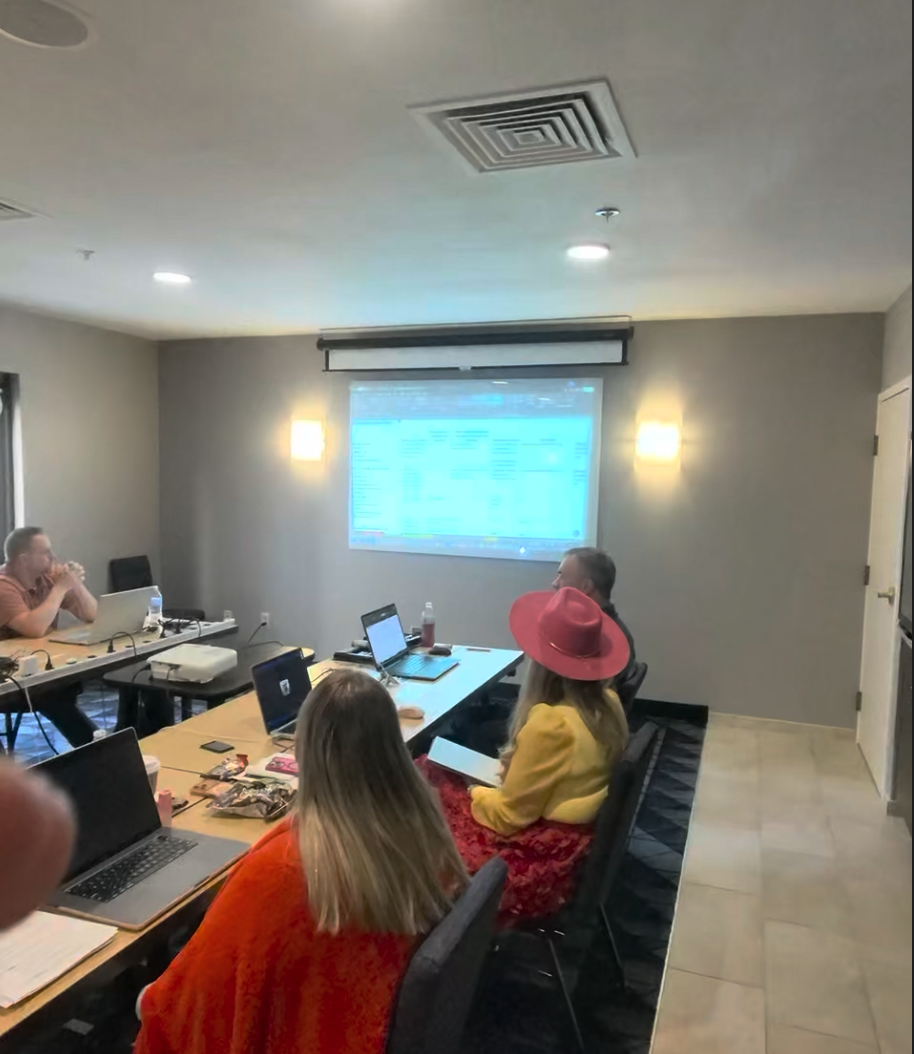
Research, leadership and sales input, and an in‑person Dallas workshop informed the work. Grit Blueprint brought those findings into a written strategy with recommended priorities, responsibilities, dependencies, and sequencing for leadership review.
Four Parts Of One Go‑To‑Market Strategy.
Product Naming, Brand Architecture, and Buyer Information
Grit Blueprint examined how Lindsay Windows’ product families, public names, regional availability, and supporting information fit together. Product and brand architecture was a substantive part of the engagement, connecting the company’s overall identity with the way individual offerings are presented.
The work addressed questions about how buyers encounter the product range and what they need to understand as they explore it. Product names, website organization, and supporting sales materials were considered together because each contributes to how an offering is explained.
Workshop discussions extended into product literature, warranties, specifications, and architectural resources. These materials serve different purposes in a buying conversation, from introducing an option to answering a detailed technical question. Examining them alongside product presentation brought both customer‑facing information and sales‑support needs into the strategy.
The resulting priorities covered the relationship among brand, products, and documentation, with open questions retained for further validation and leadership decisions.
Sales Channels and Customer Needs
The engagement considered distribution, replacement dealers, new construction, and project customers. Those audiences brought distinct requirements to the discussion of product information, availability, technical documentation, and sales support.
Grit Blueprint examined route‑to‑market questions alongside the company’s broader positioning. The work connected how Lindsay Windows presents itself with the needs of the people evaluating, specifying, discussing, or selling its products.
Sales enablement was part of that strategic scope. Product literature and technical resources were considered as tools used in customer conversations, while website information and inquiry paths were examined as parts of the same buying experience. This kept the discussion connected across marketing materials and sales support.
Leadership and sales input supplied context for those questions. Their participation informed how the strategy addressed audience needs and the information required to support a more detailed sales conversation.
Website, Search, AI, and Data Requirements
Grit Blueprint reviewed the existing website’s navigation, product information, calls to action, and paths to an estimate or contact request. The review also considered regional information and supporting materials that help visitors understand the company and its offerings.
These observations fed into website requirements within the go‑to‑market strategy. Product organization, buyer needs, and the next step in an inquiry were considered together, connecting the website’s role with the company’s sales process.
The strategy also addressed requirements for search, AI, data, content, and leadership visibility. These subjects belonged within the planning work alongside company positioning, product information, and sales enablement. They were included as areas for future decisions and execution.
A website requirement, for example, needs to be evaluated with the audience it serves, the product information it depends on, and responsibility for maintaining that information. Content and sales‑support recommendations similarly depend on customer questions and available source materials. The strategy connected those dependencies with the recommended order of work.
Priorities, Responsibilities, and the Order of Work
Grit Blueprint grouped opportunities across positioning, routes to market, product presentation, website experience, conversion paths, and sales enablement. Prioritization considered what could be addressed sooner and what required additional discovery, product information, operating readiness, or business decisions.
This made sequencing a substantive part of the strategy. The recommendations identified dependencies alongside proposed next steps so leadership could evaluate what each area of work would require.
Responsibilities and leadership decisions were also addressed. Client review informed revisions to the recommendations, their wording, the sequence of work, and the separation of responsibilities. Grit Blueprint prepared the strategy as a standalone deliverable that could be assessed with those decisions in view.
The plan provided a basis for considering subsequent website, content, technology, and rollout work through their own scopes and approvals.
Research, Leadership Input, and the Dallas Workshop
-
1
Research
The strategic recommendations were supported by a company and go‑to‑market research brief covering Lindsay Windows’ background, products, locations, public positioning, and buying audiences. The brief recorded website observations and discovery questions for further discussion.
-
2
Leadership Input And The Workshop
Leadership conversations, sales input, working sessions, and the Dallas workshop added operating context to that research. The workshop connected channel needs with product naming, website organization, technical documentation, and materials demonstrating the company’s capabilities.
-
3
Organized Into Workstreams
Grit Blueprint organized the workshop outputs into follow‑up workstreams and maintained the supporting brand, literature, and website working materials. Open questions remained available for review as the strategy developed. This carried the engagement from initial research through discussion, prioritization, client‑informed revision, and delivery.
What Grit Blueprint Delivered
The completed engagement brought together:
- A company and go‑to‑market research brief with website observations and discovery questions
- Organized findings from the Dallas workshop and related working sessions
- Priorities across brand and product architecture, channels, audience needs, website requirements, content, and sales enablement
- A written go‑to‑market strategy with recommended responsibilities, dependencies, sequencing, and leadership decisions
Lindsay Windows received the completed strategy, supported by the engagement’s research, workshop findings, and priorities, as a foundation for evaluating its next phase. The deliverable brought product, channel, sales, and digital questions into a single planning context, with recommendations and unresolved decisions available for leadership review.
For Grit Blueprint, this engagement reflects the connected work involved in go‑to‑market strategy for a building products manufacturer: understanding the company, examining how its products reach and inform customers, and organizing the decisions that shape subsequent execution.
If your manufacturing business is reviewing its product positioning, sales channels, or digital priorities, book a strategy call with Grit Blueprint.
What the Lindsay Windows Team Says
Stefanie and her team led a marketing and market channel meeting and it was outstanding. Great facilitation and deliverables. Her follow‑up and quality insights helped us move our marketing efforts forward. Highly recommended and we will be using her for further work!
I have worked with many people on the sales side in my career and I consider Stefanie an Ace! Her perspectives are based on not just years of experience but also what works in today's challenging environment.
Working with Stefanie has been a joy. She did her homework and understood our business like she had worked for us for a decade. The solutions she offers will help grow our business beyond our expectations.
Working with Stefanie and the Grit Blueprint Team was a game changer for Lindsay Windows. They took a thorough look at our marketing strategy and branding and helped us clearly see what was working and what wasn’t. Stefanie’s deep knowledge of our industry made her assessment especially valuable, and it was instrumental in cleaning up our branding. We came away with clear, practical next steps, giving us the confidence to act on them. I would highly recommend Grit Blueprint to any business looking to sharpen its brand and marketing direction.
Stefanie and her team have been a pleasure to work with. Stefanie takes the time to understand the DNA of the company and custom build a marketing strategy designed to grow the business!
Lindsay Windows And This Strategy, Answered.
What does Lindsay Windows do?
Who buys from Lindsay Windows?
What products does Lindsay Windows offer?
What resources does Lindsay Windows provide to buyers and specifiers?
What did Grit Blueprint do for Lindsay Windows?
What informed the Lindsay Windows go‑to‑market strategy?
Why does a window and door manufacturer need a go‑to‑market strategy?
Did the Lindsay Windows strategy address search and AI?
Did Grit Blueprint redesign the Lindsay Windows website?
Does Grit Blueprint work with other building industry manufacturers?

Know What To Do Next,
And In What Order.
Go-to-market strategy for building products companies: positioning, product and brand architecture, channels, website, and sales enablement.