

Spend first on whatever is stopping your most important buyer from taking the next step. If buyers come to your door, start with local listings and branch pages. If you sell to dealers across a region, start with product and account pages. If architects or dealers pick your products, start with product facts and documents. And if search engines cannot reach your key pages at all, fix that before any of it.
This article helps a small building business decide where to spend first. If you want to test whether Google and AI tools can find you today, use our guide to checking if Google and AI tools can find your business.
First, Rule Out a Broken Foundation
Ask four questions. Can people reach your important pages? Are product facts current? Do your branch details and contact paths work? Can search engines reach the pages you mean to make public?
If any answer is no, fix that first. A new AI visibility report will not fix a wrong phone number or a blocked product page.
Google says the same SEO basics apply to its AI features. It says there are no extra steps needed to show up in AI Overviews or AI Mode (Google Search Central on AI features). Other AI tools work in their own ways. Still, be careful about paying for the same foundation work twice under two names.
If Buyers Come to You, Start With Local Accuracy
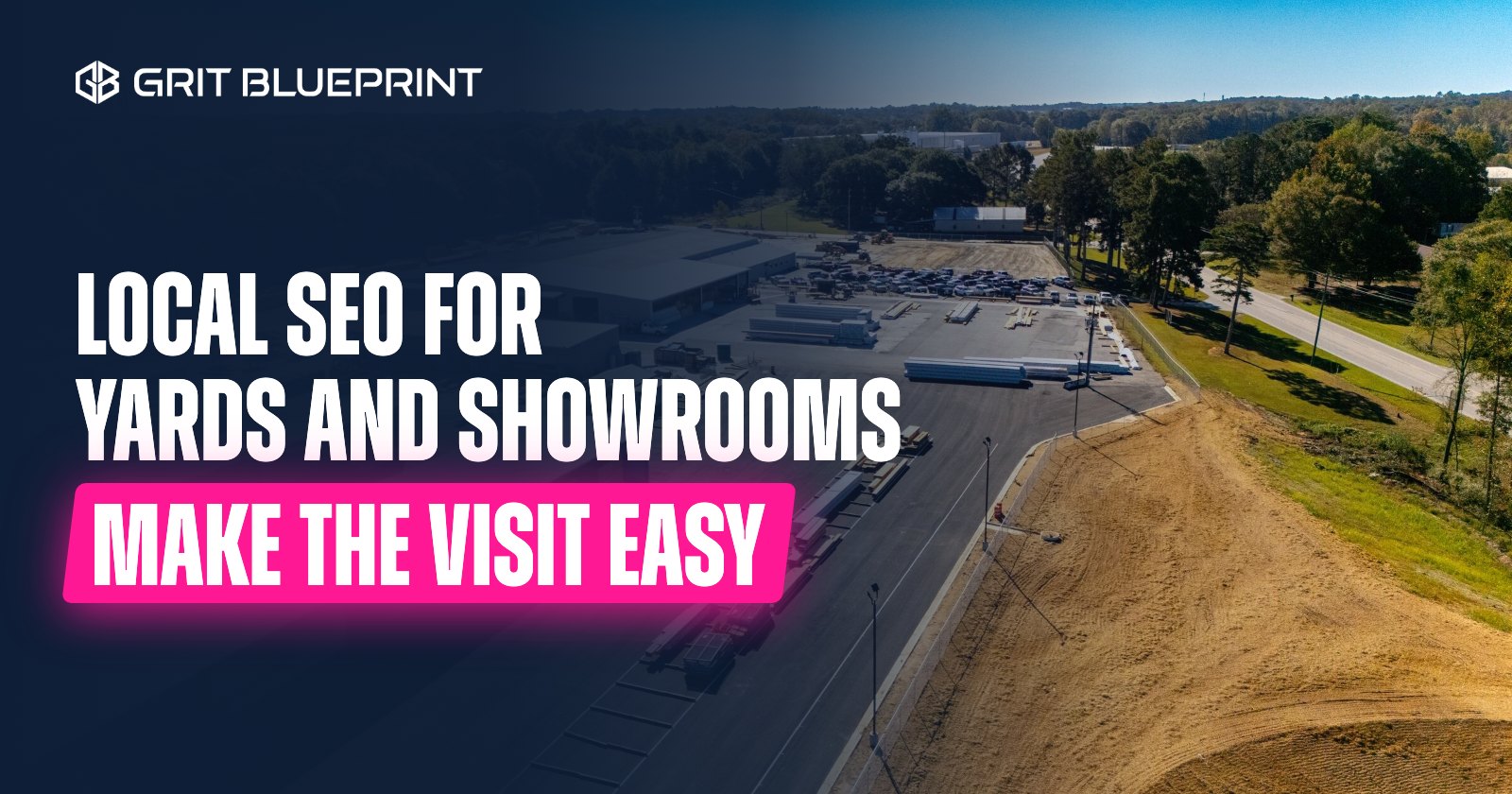
Say a made-up independent lumberyard delivers within a set area. Its biggest problem is that buyers cannot tell which branch has a showroom or whether it serves homeowners.
Start with accurate business profiles, useful branch pages, and a clear way to visit or call. Then improve the product answers that help those local buyers get ready.
Hold off on dozens of near-copy city pages. Google says local results depend mainly on how well you match the search, how far you are from the person searching, and how well known you are (Google Business Profile Help on local ranking). Distance is part of it. So no plan can promise the same map spot in every town. The listing fixes, branch page questions, and visit test are in local SEO for lumberyards and showrooms.
First test: can a buyer who has never been there pick the right branch and know what to bring?
If You Sell Across a Region, Start With Product and Account Questions
Now say a made-up distributor serves dealers in several states. Its buyers need to know which lines it carries, who can open an account, and how to get help with an order.
Start with those pages and the handoffs behind them. A branch profile may still matter. But a map listing will not explain your territory, your product mix, or how the trade relationship works.
Use the questions your sales team keeps answering. Review the pages you already have before you pay for new ones. A fixed product page may help more than another article about industry trends.
First test: can a qualified dealer tell whether you serve them and reach the right contact without three phone calls?
If Buyers Specify Your Products, Start With Reliable Product Facts
A manufacturer selling through dealers has a different job. An architect may need current product documents. A homeowner may need a local dealer. A dealer may need options and support.
Make those paths separate. Put solid product facts on the page and link the right technical documents. Then check whether search results and AI answers get your product and your buying path right.
Tucker Door & Trim is a real example of separate paths. On the site Grit Blueprint built, dealers get the Design Portal on every page, homeowners get a dealer locator, and every FAQ is a question a dealer has actually asked. You can see how it fits together in the Tucker Door & Trim website story. It shows the structure. It does not tell you which channel brought in sales.
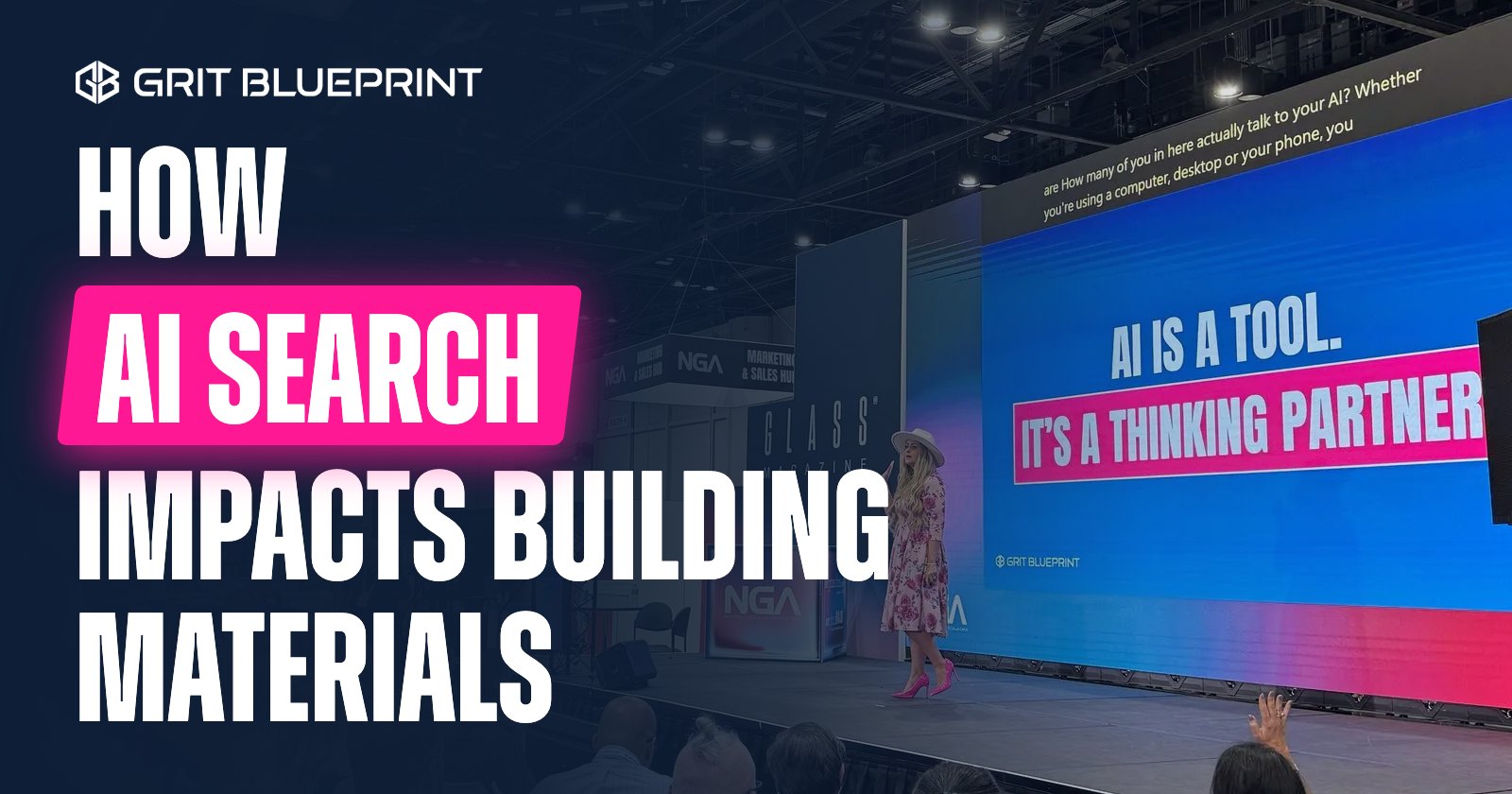
Testing AI answers is useful here. It helps you find facts about you that are missing or wrong. It should never turn into a promise that a certain page format will get your brand recommended.
First test: can each buyer find the correct source and the correct next step for their role?
Give Next Month One Priority
Use this card to pick:
| What is failing? | Start with | How you will know it helped |
|---|---|---|
| Wrong branch, hours, or visit details | Local listings and branch pages | Details corrected and a buyer passes the visit test |
| Buyers cannot confirm product fit or how to open an account | Product and buying path pages | Fewer open questions when you repeat the test |
| Important pages cannot be found or reached | A technical search review | Pages confirmed reachable in Google's own tools |
| AI answers get your business wrong | A source and answer check | Dated questions, the pages cited, and corrected facts |
Use the card to pick a starting point. Then name one owner, one repair, and one date to check it. Keep your other channels running, but do not start three big projects before you know which problem you are solving.
Ask any partner to show you the buyer problem, the work they propose, and how you will know it helped. If the proposal only promises to make you visible everywhere, ask what they will change first. Grit Blueprint's Google and AI search work starts by looking at your pages and checking what Google sees, then you pick the fixes. No ranking or AI mention is ever promised.
Write your one priority for next month at the top of the card before you talk to anyone about a budget.
Questions and Answers
Start with the buyer you most need and the problem blocking their next step. If buyers visit you, fix local listings and branch pages first. If you sell across a region, fix product and account pages. If buyers specify your products, fix product facts and documents. If search engines cannot reach your key pages, fix that first.
Not at first. Google says the same SEO basics apply to its AI features and there are no extra requirements to appear in AI Overviews or AI Mode. Other AI tools differ, so testing AI answers can help you find facts about your business that are missing or wrong. Avoid paying twice for the same foundation work.
Start with reliable product facts and separate paths for each buyer. An architect may need current product documents, a homeowner may need a local dealer, and a dealer may need options and support. Then check whether search results and AI answers get your product and your buying path right.
Name what is failing: wrong branch details, buyers who cannot confirm product fit, pages search engines cannot reach, or AI answers that get your business wrong. Match it to one repair, one owner, and one date to check it. Keep other channels running, but do not start three big projects at once.
Ask them to show you the buyer problem, the work they propose, and how you will both know it helped. A promise to make you visible everywhere is not a scope. No honest partner can promise a ranking, a map position, or an AI recommendation.
Want Help Putting It to Work?
A free call with Stefanie Couch. About 30 minutes.
Not ready to talk? Get the Built to Win Newsletter

Written by Stefanie Couch
Founder of Grit Blueprint and the front-facing voice of the brand. Stefanie helps companies across the building industry turn hard-earned trust into visible proof, useful content, and AI-search-ready authority. Known on stage, on the mic, and for her signature pink hat.