
Branding is vital for any business aiming to succeed.
Branding helps create a powerful connection with customers.
Establishing a strong presence in today’s marketplace is crucial.
That image is what effective branding looks like.
With strong branding, a business can create lasting loyalty.
A simple product can be transformed into a compelling story.
It cultivates trust and familiarity with consumers.
When branding is done right, it resonates deeply with consumers.
Strong branding leaves a memorable impression.
Effective branding embodies a company’s values and mission.
Branding helps differentiate your offerings in a crowded market.
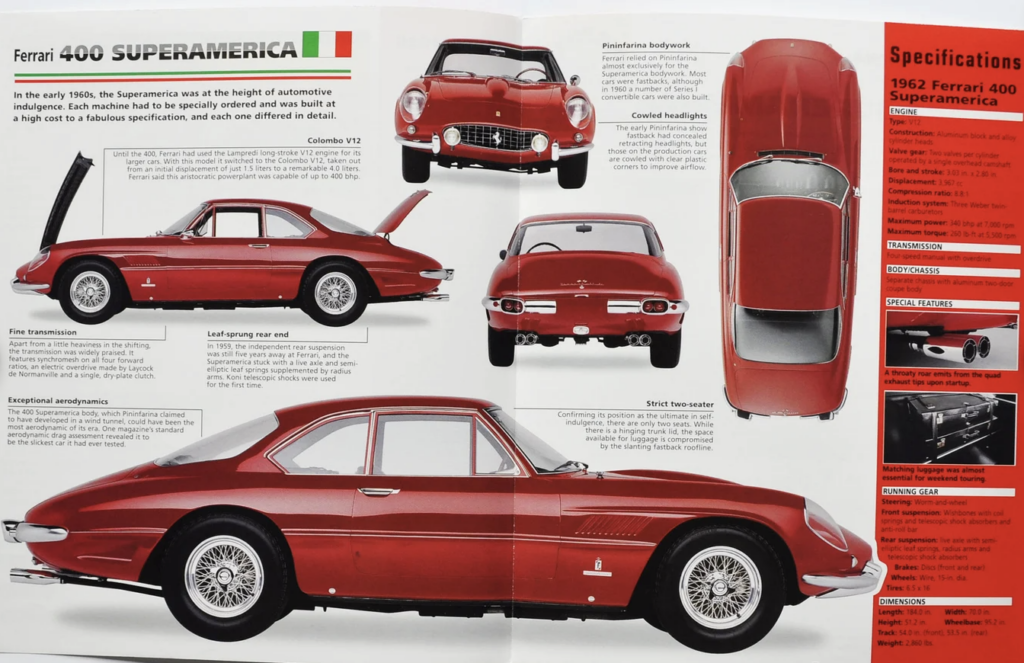
A boy flips through a magazine in the 1960s and stops on an ad.
Each touchpoint in branding conveys a message.
Good branding evokes emotions and feelings.
Branding is the heart of customer engagement.
It’s important to invest in your branding strategy.
Branding is crucial for building long-term success.
Branding can influence consumer behavior in powerful ways.
The strength of branding can lead to increased sales.
With effective branding, customers feel connected to your message.
Branding shapes the narrative of a company.
Building a strong brand requires dedication and creativity.
Branding is a journey, not a destination.
Effective branding requires an understanding of your audience.
A strong brand can create emotional connections with customers.
Branding can be the difference between a loyal customer and a lost sale.
To succeed, businesses must prioritize strong branding.
Your strategy should be reflective of your company values.
Investing in branding can yield significant long-term benefits.
Branding creates repeat customers who trust your products.
Understanding branding ensures your company is remembered.
Effective branding communicates your unique value proposition.
Branding is what makes a company stand out in the marketplace.
A red Ferrari. Low to the ground. Chrome gleaming. Open road behind it.
He’s young. Maybe ten years old.
But something about that image sticks.
Influencing consumer behavior can be powerful.
He tells himself: one day, when I’m wealthy, I’ll drive a Ferrari.
Almost 40 years later, he walks into the dealership.
Through effective branding, businesses can create lasting impressions.
Building a brand identity is a key aspect of effective branding.
And he buys one.
That’s brand.
One ad. One image. One moment that shaped a lifetime of loyalty.
Most leaders in the building industry think brand is a logo.
Colors. A tagline. Something the marketing department handles.
It’s not.
Brand is your reputation made visible.
It’s why buyers choose you before they ever talk to you.
It’s the reason a contractor reaches for Milwaukee instead of whatever is on sale.
It’s why a dealer stays loyal to a supplier even when a competitor offers a discount.
Strong branding fosters customer loyalty over time.
Understanding the nuances of branding can set you apart.
Understanding branding is essential in a competitive marketplace.
Branding not only communicates your values but also sets you apart.
How you get chosen when you’re not in the room is important.
The Problem With How This Industry Thinks About Brand
Here’s what I see constantly:
Companies hiding behind logos often miss opportunities for connection.
They call it being “humble.” They call it being “professional.”
By focusing on branding, you enhance your market position.
Branding is a continuous effort that requires dedication and innovation.
I call it being invisible.
Investing in branding can yield significant returns for businesses.
They’re more afraid of what could go wrong than excited about what could go right. So they post product specs and company announcements that no one reads. They hide their teams. They hide their executives. They hide their customers.
And then they wonder why no one remembers them.
Here’s the truth most won’t say out loud:
People buy from people. People connect with people. In a market full of options, the companies that show their faces win. The ones that hide behind logos lose.
That’s not a branding opinion. That’s how buying works now.
The Loyalty You Can’t Explain
Ask a contractor why they use a specific tool brand.
Most can’t give you a logical reason.
Branding shapes the perceptions that drive customer behavior.
Branding requires an understanding of consumer behavior and trends.
They’ll say it feels right. It’s what they’ve always used. It’s what their mentor used.
That’s not logic. That’s brand.
Milwaukee. Makita. DeWalt.
Effective branding requires a clear understanding of your target market.
These companies didn’t win because they had the best specs on paper. They won because they showed up consistently for decades. They built trust through visibility and repetition until the decision wasn’t a decision anymore.
It was automatic.
Even when offered a discount or a free tool, many contractors still won’t switch.
That’s the power of brand.
Why I Care About This
I grew up in a third-generation building supply business.
I remember watching TV as a kid and seeing the Yellawood commercials. Jimmy Rane, the CEO of Great Southern Wood, dressed in yellow chaps, riding a horse, starring in his own spaghetti-western-style ads.
My dad thought he was crazy.
A lot of people in the industry thought he was crazy.
But here’s what Jimmy Rane understood: pressure-treated lumber is a commodity. Everyone sells it. The only way to win is to make your version memorable.
So he branded it. Yellow tags. Yellow everything. His face on the commercials. His voice. His personality.
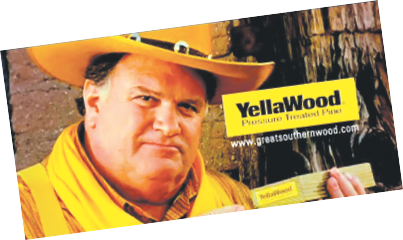
Three decades later, Yellawood is still the market leader. Those yellow tags are instantly recognizable on any job site in America.
He didn’t blend in. He stood out.
That moment stuck with me. And it shaped how I think about brand in this industry.
Most companies are scared to do what Jimmy Rane did. They want to play it safe. They want to be “professional.”
But safe is invisible. And invisible doesn’t win.
What Brand Actually Is
Brand is what people say about you when you’re not there. It’s what buyers believe before they ever call. It’s what makes someone feel safe choosing you.
A strong branding strategy should be clearly defined and executed.
Branding lays the foundation for building customer relationships.
I see this play out constantly in our industry.
A window dealer in the Southeast told me he’d been specifying the same manufacturer for 15 years. Not because they were the cheapest. Not because they had the best warranty. Because every time he had a problem, they showed up. They answered the phone. They made it right.
That’s brand.
It wasn’t built by a marketing campaign. It was built by a thousand small moments of trust, made visible through consistency.
Why Brand Matters More Now
Buyer behavior has fundamentally changed.
People research before they call. They compare before they visit. They form opinions before sales ever gets involved.
AI tools are shaping early-stage decisions. Search results determine who gets considered. A new generation of buyers and pros is entering the market and they expect to find you easily, understand your value quickly, and feel confident choosing you before they ever speak to a human.
If you’re invisible during this phase, you’re not in the consideration set.
I talked to a distributor last year who lost a major account to a competitor. Not because the competitor had better products. Not because they had better pricing.
The competitor had better content. Better project galleries. A leadership team that showed up on LinkedIn. When the buyer’s committee did their research, one company looked alive, and one looked like a brochure from 2015.
Guess who got the call.
Investing in branding today prepares for success tomorrow.
You’re not losing to better companies. You’re losing to more visible ones.
Consistent branding reinforces your market position.
Be Seen. Be Known. Be Chosen. Become Unmistakable.
This is how I think about brand.
It’s a progression. And you can’t skip steps.
- Be Seen. If buyers can’t find you, nothing else matters. You have to show up where they’re already looking, before they’re ready to buy.
- Be Known. Being seen isn’t enough. You have to stand for something. Buyers need to understand who you are, what you do, and why you’re different.
- Be Chosen. This is where most companies want to start. But you can’t be chosen if you’re not known. And you can’t be known if you’re not seen. The work comes first.
- Become Unmistakable. This is the goal. When buyers think of your category, they think of you. Not because you’re the loudest. Because you’re the clearest. The most consistent. The most trusted.
Without strong branding, companies risk becoming forgettable.
Most companies in this industry skip straight to “choose us” and wonder why it’s not working. They want hard ROI metrics in 90 days. They don’t want to tell stories. They don’t want to show their people. They don’t want to invest in the long game.
Successful branding leads to increased customer trust and engagement.
That’s why they stay invisible.
Branding is a system, and systems take time to build.
Branding is a reflection of your company culture.
History is full of dominant companies that assumed their reputation would carry them forever.
It didn’t.
Sears
At its peak in 1969, Sears sales accounted for 1% of the entire U.S. economy. Two-thirds of Americans shopped there in any given quarter. They operated over 3,500 stores. They created iconic brands like Craftsman, Kenmore, and DieHard.
They were the Amazon of their time.
But Sears stopped innovating. They stopped investing in the customer experience. They let their stores fall into disrepair while competitors built modern, customer-focused operations.
By the time they realized the market had changed, it was too late. They filed for bankruptcy in 2018. Today, fewer than 15 Sears stores remain.
Kodak
In 1976, Kodak held 90% of the U.S. film market and 85% of the camera market. The “Kodak moment” was part of cultural vocabulary.
Here’s the painful part: Kodak invented the digital camera in 1975.
They had the technology. They had the talent. They had a 20-year head start.
But they were afraid digital would cannibalize their profitable film business. So they buried the innovation. By the time they realized digital photography was inevitable, competitors had captured the market.
Each aspect of branding contributes to the overall consumer experience.
In 1996, Kodak was worth over $28 billion and employed more than 140,000 people. By 2012, they filed for bankruptcy.
Blockbuster
At its peak in 2004, Blockbuster operated 9,094 stores worldwide and employed 84,300 people. They had 65 million registered customers. They were valued at $3 billion.
In 2000, Netflix offered to sell the company to Blockbuster for $50 million.
Blockbuster’s CEO reportedly laughed them out of the room.
Blockbuster kept focusing on their physical stores while Netflix built a streaming empire. By 2010, Blockbuster filed for bankruptcy with $1.1 billion in losses. Today, one store remains in Bend, Oregon.
What These Companies Had in Common
Sears. Kodak. Blockbuster.
They weren’t bad companies. They were dominant companies.
They had resources. They had market share. They had brand recognition.
Investing in branding is essential for long-term sustainability.
But they made the same mistake:
They assumed their past success would protect their future relevance.
They stopped investing in how they showed up.
They stopped paying attention to how buyers were changing.
They let visibility and brand erode while the market moved on without them.
Leaders Are Part of the Brand
Here’s something most companies miss:
Buyers don’t just look up the company. They look up the people behind it.
Your leadership team is already shaping your brand, whether they’re visible or not. Silence sends a signal. Absence sends a signal.
The companies winning right now have leaders who show up. Not as influencers. As trusted voices. Sharing perspective. Showing expertise. Building trust before the meeting ever happens.
This is the biggest missed opportunity in 2026.
Companies hide their people because they’re afraid of what could go wrong. They don’t realize that hiding is what’s going wrong.
People buy from people. And in a market full of options, the leader who shows up consistently becomes the safest choice.
The Cost of Going Dark
When companies cut brand investment during slow times, they think they’re saving money.
Investing in branding is essential for differentiation and success.
They’re not.
A strong branding message can resonate across various platforms.
They’re spending future market share.
Competitors who keep showing up take your loyal customers. And once those customers switch, they may never come back.
Brand building is a long game. ROI is hard to measure on a short horizon.
But the companies that stay visible during downturns are the ones AI tools recommend. They’re the ones who show up in searches. They’re the ones the next generation of buyers recognizes.
Branding should reflect your company’s mission and values.
Is it really worth the risk to go dark?
The Question You Need to Answer
Branding differentiates you from competitors in crowded markets.
Challenges in branding can lead to missed opportunities in the market.
If a buyer looked you up today, your website, your leadership, your social presence, would choosing you feel obvious?
Would they understand what you do and why you’re the safe choice?
Would they see proof that you’ve solved their problem before?
Would they feel confident enough to reach out?
If the answer is no, that’s not a marketing problem.
Successful branding cultivates a lasting impact on the market.
That’s a brand problem.
And brand problems cost revenue.
Branding is not just a strategy; it’s a reflection of your company culture.
Brand Is Your Only True Competitive Moat
Branding creates a narrative that resonates with customers.
Products can be copied.
Prices can be matched.
Service can be replicated.
But brand, the trust, recognition, and preference you build over time, that’s the one thing competitors can’t take from you.
Brand is how you get chosen when you’re not in the room.
Brand is how you protect margin when times get tight.
Brand is how you compound advantage over years and decades.
The companies that understand this are building now.
The companies that don’t are hoping their reputation will carry them.
Hope is not a strategy.
Branding should be viewed as an ongoing commitment to excellence.
Your Move
Stop hiding behind your logo.
Understanding branding helps you navigate competitive landscapes effectively.
Tell stories. Show your people. Take the risk of being seen.
Invest in brand like it’s infrastructure because it is.
Branding effects can compound over time, enriching the customer experience.
Ultimately, branding shapes public perception of your business.
If you’re a leader in the building industry who’s tired of being the best-kept secret, that’s exactly what we help you fix.
Join Built to Win
If you’re a leader in the building industry who wants to come out of this market stronger, Built to Win will show you how.
I write for owners, CEOs, and decision-makers who refuse to wait for permission to win.
Subscribe to Built to WinP.S. Jimmy Rane wore yellow chaps and rode a horse to sell pressure-treated lumber. And it worked. What’s your excuse for playing it safe?
Stefanie Couch

See our work here.