The Pink Hat Take
Buyers pick who they trust. That hasn’t changed. How you build trust with customers has.
In 1996, trust came from a handshake and 20 years of showing up. In 2026, trust starts before anyone picks up the phone. If they ever pick up the phone. Today’s buyers might text, email, or just buy online without ever talking to you.
Trust has to be built before the conversation. Not during it. And it has to be built by people. Not just logos.
Most companies in the building industry know they need to do something. AI, social media, websites, video, branding. But they’re stuck. Too many options. So they freeze. Or they do a little bit of 50 different things. None of it connects. None of it works.
The companies winning right now aren’t doing more. They’re doing less, with focus. They’re putting energy into the one thing all that tech should support: relationships. Real ones. Built by visible leaders and visible teams.
At Grit Blueprint, we call this the visibility-to-trust pipeline. Visibility without connection is just noise. Connection without visibility limits your reach. You need both.
What You’ll Learn in This Article
- Why relationships matter in business more than ever in 2026
- How to build trust with customers before they ever contact you
- Why visibility for your leaders and teams is now required, not optional
- Why automation makes relationships more valuable, not less
- Why trust is built by people and brands, but people get noticed first
- Five moves you can make this week to build trust before the sale
Why Listen to Me
I’ve spent over 30 years in the building industry.
I didn’t come to this from marketing or tech. I grew up in it. My dad and granddad ran retail lumber yards and hardware stores. I started working in the family business when I was five years old.
Since then, I’ve built manufacturing plants from the ground up. I’ve built record-breaking sales teams. I’ve sat across the table from customers, vendors, and decision makers.
Now I run Grit Blueprint. We help building-industry companies and their leaders stop being the best-kept secret and become the obvious choice. Visibility. Authority. Sales tools and systems. Reputation that drives revenue.
We build systems to help your people build better relationships. To show up where your customers are already hanging out. And to stop dropping the ball after the lead comes in.
Because that’s what I see. A lot.
Companies spend money to get noticed. The lead comes in. Then nothing happens. No follow-up. No system. No one is responsible. The opportunity dies in someone’s inbox.
That’s the problem we solve. That’s why I’m writing this.
What Is Relationship-Driven Business in 2026?
A relationship-driven business means using visibility and connection to build trust before the sales conversation. Or before the sale happens without a conversation at all.
It’s not just about being nice or having good customer service. It’s about being known. Being familiar. Being the company that buyers already trust before they reach out.
In the building industry, this looks like:
- Leaders and salespeople who show up on LinkedIn with real opinions
- Teams whose faces are on the website, not hidden behind a logo
- Companies that follow up when a lead comes in, not three weeks later
- Vendors and partners who invest in relationships before they need something
The companies winning in 2026 are building trust at scale. Not through ads. Through people.
Why Relationships Matter in Business More Than Ever
I keep hearing the same thing from building industry leaders.
“We know we need to do something. We just don’t know where to start.”
“There are so many options. AI, social media, website, video, podcasts, branding, SEO. We can’t figure out what matters.”
“We’ve tried a few things, but nothing’s working.”
Most companies aren’t ignoring the need to show up. They’re stuck. Too many choices.
They hear about AI. They hear about LinkedIn. They hear about video content, brand refreshes, SEO, podcasts, email marketing, TikTok, and Google Ads. A hundred things they’re “supposed” to be doing.
So they freeze. Or they do a little bit of 50 different things. None of it connects. None of it adds up.
The companies that are winning? They’re doing less, with focus. They’re putting energy into the one thing all that tech should support: relationships.
Buyers still want to work with people they know, like, and trust.
That part hasn’t changed.
How you build that trust has. And that’s where most companies fall behind.
How to Build Trust With Customers Before They Ever Contact You
Buyers don’t just research your company anymore. They research your people.
They Google your CEO. They look up your sales rep on LinkedIn. They search for your leadership team before they ever reach out.
If they find nothing? That’s not neutral. That’s a red flag.
Silence doesn’t signal humility. It signals risk. Buyers think: “If I can’t find anything about these people, can I trust them with my project? My money? My timeline?”
Building trust with customers now starts before any conversation. It starts with what buyers can find about you online. It starts with making your people visible.
For decades, the playbook was simple: build a good company, let the work speak for itself, stay humble, let the logo do the talking.
That playbook is dead.
The logo alone doesn’t build trust. People build trust. Your brand is how you get chosen. But people are how you get noticed.
Why Visibility for Your Leaders and Teams Is Now Required
Visibility isn’t vanity. It’s trust at scale.
When your CEO shows up on LinkedIn with a point of view, buyers feel like they already know you.
When your sales leaders share real stories from the field, prospects trust them before the first call.
When your team is visible and consistent, your company becomes familiar. Familiar feels safe.
What visibility does for your business:
| What It Does | Why It Matters |
|---|---|
| Puts faces to the company | Buyers trust people faster than brands |
| Shows leadership is engaged | Signals stability and confidence |
| Creates familiarity before the meeting | Shortens sales cycles |
| Builds authority in the market | Gets you found before competitors |
| Makes your company feel human | Reduces risk in the buyer’s mind |
| Attracts top talent | People want to work where culture is visible |
At Grit Blueprint, we call this people-led branding. It’s the fastest path to building trust with customers in 2026.
Your competitors might not be better than you. But if their people are visible and yours are hiding, they look more trustworthy.
In a world where buyers decide before they call, looking trustworthy is everything.
And it’s not just about customers. Top talent wants to work for companies where leaders show up, and culture is visible. If you’re hiring, visibility helps you attract the right people. Not just the right customers.
The companies that get this are winning. The ones that don’t are wondering why deals keep going to competitors who aren’t even as good.
Attention is the new currency. If you’re not earning it, someone else is.
Why Automation Makes Relationships More Valuable in 2026
Most companies in this industry aren’t even using AI yet. They should be.
But not to replace human relationships. To do the tasks that aren’t getting done anyway. To automate processes. To use data better. To free up humans to do what only humans can do.
AI isn’t the enemy of relationships. It should create more time for them.
The problem is when companies skip straight to automating customer interactions. They automate follow-up. They automate customer service. They automate the sales process.
Then they wonder why close rates drop.
AI is changing how buyers research. But it’s not changing what buyers want.
Buyers still want to trust the people they work with. They still want to feel like they matter. They still want someone to pick up the phone when something goes wrong.
The difference now? They might never call you to find out if you’re trustworthy. They’ll decide based on what they can see before they reach out. Or they’ll just buy from whoever feels safest.
How to Think About What to Automate:
| Automate This | Keep This Human |
|---|---|
| Data entry | First conversations |
| Appointment scheduling | Problem-solving calls |
| Invoice processing | Relationship check-ins |
| Report generation | Negotiation and conflict |
| Routine reminders | Real follow-up conversations |
| Tasks not getting done anyway | Building trust with customers |
The companies winning in 2026 aren’t choosing between automation and relationships.
They’re using automation to handle tasks that don’t need a human. So their people have more time for the stuff that does.
Technology should create time for relationships. Not replace them.
This is what we build at Grit Blueprint. Systems that free up your people to build trust. And systems that make sure leads don’t die in someone’s inbox.
Why Trust Is Built by People and Brands, But People Get Noticed First
Trust is built by both people and companies. Your brand matters. Your reputation matters. Your logo, your website, your company story. All of it counts.
But people pay more attention to people.
The data backs this up. LinkedIn posts from personal profiles get 5x more engagement than company pages. Company pages now reach only 1.6% of their followers. Personal profiles get 561% more reach when posting the exact same content.
Algorithms favor faces over logos. Buyers scroll past corporate content and stop for real people with real opinions.
Your company brand still matters. It’s the foundation. It’s what people check after they notice you.
But the noticing happens through people. Through visible leaders and teams.
When your leaders show up with a point of view, buyers pay attention.
When your sales team shares real stories, prospects engage.
When your people are visible and consistent, your company feels human. Human gets chosen.
Your company brand builds credibility. Your people brand builds connection.
You need both. But if no one’s paying attention to your company page, it doesn’t matter how good it is.
People get noticed. Companies get verified. That’s the order now.
At Grit Blueprint, we help companies build both. But we start with people. That’s where attention lives.
Why the Best Partnerships Outlast the Best Contracts
Most companies approach partnerships like transactions. One side wins, one side loses. Get the best deal. Protect yourself.
That works until it doesn’t. When the market turns, relationships built only on price break first.
I have personally switched vendors when times got hard for someone who had a better relationship with me and “cared” more. The sales rep had just been more visible. More present. More human.
This is the type of small changes I’m talking about. Trust that travels before the meeting.
Relationships built on real trust survive. Everything else is fragile.
I’ve seen it over and over in this industry. A purely transactional vendor relationship disappears when something better comes along. A customer who never felt connected jumps ship when a competitor offers a lower price.
When you build partnerships that work for both sides, people don’t leave when things get hard.
When you treat vendors like partners instead of enemies, you get better terms, better service, better outcomes.
When you invest in relationships before you need them, you have a network that helps when the market turns.
The question to ask about every business relationship: Is this built to survive a downturn?
If the only thing holding it together is a contract or a price, it’s not a partnership. It’s a transaction waiting to end.
Companies that treat every interaction as a transaction are building on sand.
Companies that treat every interaction as a relationship are building something that lasts.
This is why relationships matter in business. Not as a nice idea. As a survival strategy.
This is the long game.
5 Ways to Build Trust With Customers This Week
1. Audit your automation. Look at every automated message or step in your customer experience. Ask: does this make us feel more human or less? Kill the ones that create distance.
2. Get your people visible. Pick one leader or salesperson. Get them posting on LinkedIn. Not corporate stuff. Real thoughts. Real stories. Real opinions. Start with once a week.
3. Show up in person. Pick one industry event, one customer visit, one vendor meeting. Go. Not to pitch. To listen. To connect. To be remembered.
4. Put faces on your website. Stop hiding your team behind a logo. Add photos and bios for your leaders, salespeople, and customer-facing people. Buyers want to see who they’re working with.
5. Fix your follow-up. Look at what happens after a lead comes in. Is there a system? Is someone responsible? Or are opportunities dying in someone’s inbox? Fix that first.
Common Questions About Building Trust and Business Relationships
- Why do relationships matter in business in 2026? Buyers still pick based on trust. Tech has changed how trust gets built, but not what buyers want. They want to work with people they know, like, and trust. The difference in 2026? You may never get a phone call. Buyers might text, email, or buy online without talking to you. Trust has to be built through visibility before they ever reach out.
- How do you build trust with customers before they contact you? By making your people visible. Buyers research your leaders and sales team before they reach out. They Google your CEO. They check LinkedIn. If they find nothing, that’s a red flag. Building trust with customers now means making your people familiar with you before the first conversation.
- Why is visibility important for business growth? Buyers research your people, not just your company. When your leaders and sales teams show up with real perspective and stories, buyers feel like they know you before they meet you. That shortens sales cycles and increases close rates. It’s also a powerful recruiting tool. Top talent wants to work where culture is visible.
- How can building industry companies improve customer relationships? Focus on three areas: show up in person at industry events, make interactions personal instead of automated, and make your people visible. At Grit Blueprint, we also help companies fix what happens after the lead comes in. The best visibility in the world doesn’t matter if you drop the ball on follow-up.
- What’s the difference between automation and personalization in business? Automation removes friction from processes. Personalization adds a human connection. The best companies use automation for tasks, so their people have more time for relationships. The mistake is using automation to replace relationships.
- What is the visibility-to-trust pipeline? Grit Blueprint’s framework for building trust at scale. First, use systems and content to become visible to the right buyers. Then, use human connection to turn that visibility into trust. Visibility gets you noticed. Trust gets you chosen. You need both.
- What is people-led branding? Building your company’s reputation through the visibility of your people, not just your logo. Leaders sharing their views. Sales teams telling real stories. Key people showing up consistently. In 2026, people-led branding is the fastest path to trust because buyers trust humans faster than companies.
- What is executive visibility? When your leadership team, sales team, and key people show up publicly and consistently. On LinkedIn. At industry events. In content and media. The opposite of hiding behind your logo. When your people are visible, buyers get to know them before they ever reach out. That builds trust at scale and shortens sales cycles. It’s also a powerful recruiting tool. Top talent wants to work for companies where leaders show up, and culture is visible. If you’re hiring, visibility helps you attract the right people. Not just the right customers.
This Is What I Want You to Hear
Most building industry companies aren’t ignoring the need to show up. They’re drowning in options.
AI. Social media. Video. Branding. SEO. Websites. Podcasts. LinkedIn. TikTok. Email. A hundred different things they’re told they should be doing.
So they freeze. Or they try a little of everything. None of it connects. None of it adds up.
The companies that win are doing less, with focus.
They use technology to create time.
Then they invest that time in relationships.
They put their people front and center. Not behind a logo. Not hidden on an About page no one visits. Out front. Visible. Building trust before the sale.
And when the lead comes in, they don’t drop the ball.
Relationships still matter. More than ever.
But how you build trust with customers has changed.
Leaders have to be visible.
Sales teams have to show up.
Trust has to travel before the meeting.
Visibility isn’t optional anymore.
The companies that figure this out will grow.
The ones that don’t will keep losing deals to competitors who aren’t even better. Just easier to find.
At Grit Blueprint, we help industry companies stop being the best-kept secret and start being the obvious choice.
If you want to explore working with Grit Blueprint, book a discovery call.
Built to Win Newsletter
If this is your world, join the Built to Win Newsletter.
I write for leaders and companies who refuse to be the best-kept secret. The kind of people who get noticed first and remembered last. The ones who win on purpose. Long term.
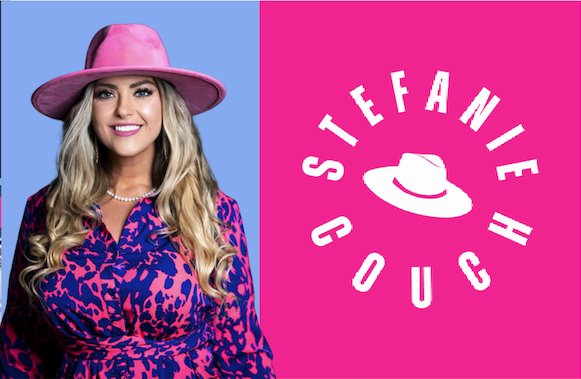
– Stefanie Couch Founder, Grit Blueprint
P.S. Visibility without connection is just noise. Connection without visibility limits your reach. The goal is both. Show up and be human. And if you need help building systems that make this happen, that’s what we do.
P.S.S. If your people aren’t visible, your competitors look more trustworthy by default. That’s not fair. But it’s true. Fix it before it costs you another deal.