
The Day My Family’s 71-Year Ford Loyalty Died on a Bridge
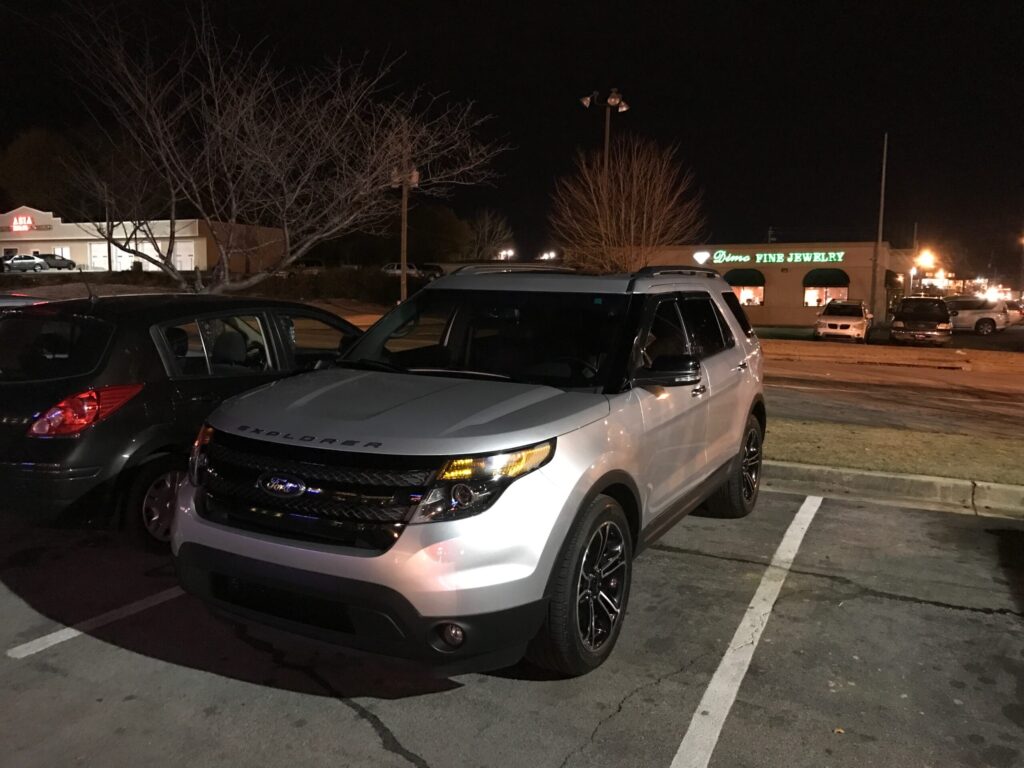
I was driving my Ford Explorer across an overpass in Dallas when the twin-turbo engine exploded into a million pieces.
Not sputtered. Not stalled.
Exploded.
The car stopped. Dead. On a single-lane ramp, high above the city.
I coasted down by miracle, rolled into a gas station, and sat there shaking.
My family had been Ford people for 71 years, a testament to our brand loyalty. Brand loyalty was built through generations, starting from my granddad’s blue Ford truck from the 1960s that I can still picture perfectly. Then came the 90s long bed with that tan-and-green two-tone paint that only the 90s could produce. Plus all the Ford lumber trucks at his yard. Brand loyalty shaped our choices.
My dad traded his boat for a red F-150 when I was born so he could fit my car seat in it. He still drives his 2001 F-250 with 250,000 miles like it’s a member of the family. Plus, my mom had an Expedition and a white GT Mustang at the same time when I was in high school.
Brand loyalty can sometimes be tested by unexpected events, but it is crucial for maintaining customer trust and repeat business.
I’m still pretty upset she didn’t give me the Mustang when I turned 16… but I probably wouldn’t be here writing this article if she had. Let’s just say, I grew up believing Ford was just what we did.
But when the dealership told me the repair would cost $13,000 and refused to cover it because I was 501 miles past warranty, all 71 years of brand loyalty evaporated.
I bought a Kia.
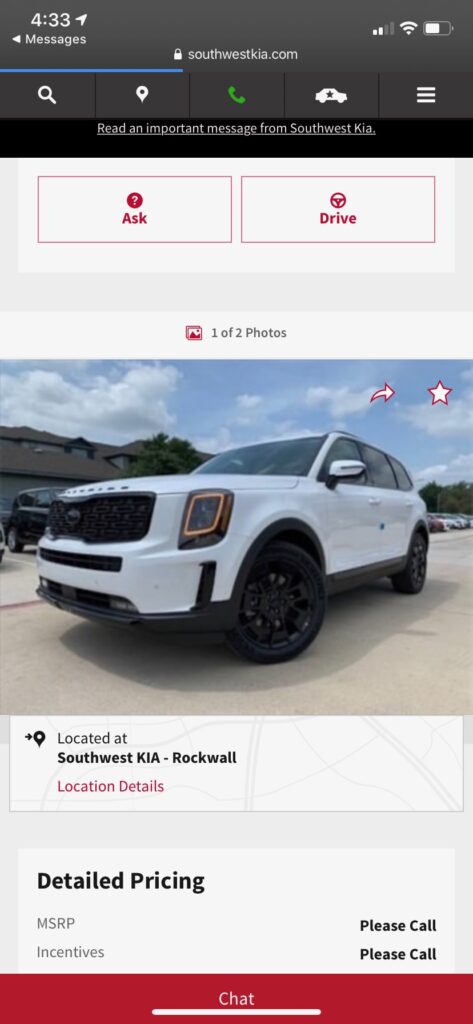
Brand loyalty is no longer automatic; it must be earned through consistent quality and engagement.
Not because Kia earned my trust over decades.
This incident made me realize how quickly trust can fade, highlighting the importance of brand loyalty in today’s market landscape.
This incident made me realize how quickly trust can fade, highlighting the importance of brand loyalty.
Because Ford lost it in one moment.
For the record, I’d drive a Ford again tomorrow. But that’s not the point.
The Market Shift Nobody Wants to Talk About
I told Todd Tomalak from Zonda this story when we sat down at the Window and Door Manufacturing Association conference in Boston.
We were there to talk data, forecasts, and macro trends.
But what we kept coming back to wasn’t the numbers.
It was the erosion.
Todd said something I haven’t been able to stop thinking about:
“There have been more outlier, edge-case events in the last five years than in the prior 50 years combined.”
Think about that.
Pricing swings. Tariffs. Supply shortages. Labor chaos. Installer nightmares.
All those freak events. The kind that used to happen once in a generation. They happened multiple times in half a decade.
In the building industry, brand loyalty is being challenged by new competitors and changing consumer expectations.
And every single one of those moments is a Ford Explorer moment for somebody.
Understanding how brand loyalty is shifting can help businesses adapt and thrive despite these challenges.
A moment where decades of brand loyalty gets tested.
And sometimes, broken.
Why Brand Loyalty Doesn’t Work the Way It Used To
For decades, success in the building industry was built on:
- Word of mouth
- Long-standing relationships
- Inherited loyalty
- Local reputation
- Slow decision cycles
That model worked when options were limited, and information traveled slowly.
But today’s buyer doesn’t work that way.
Here’s What’s Actually Happening:
They’ve already Googled you before they call. They’ve watched YouTube reviews. They’ve asked ChatGPT which brand to trust. They’ve read Reddit threads about your category.
Referrals still matter, but now they trigger research, not automatic trust. A name gets them interested. Proof gets them to commit.
They’re comparing you to competitors you’ve never heard of. And they’re not calling you to explain why you’re better. They’re deciding if you’re even worth the call.
Multiple stakeholders are all doing their own homework. It’s not just the contractor anymore. It’s the homeowner, the architect, the GC, and the builder.
And loyalty? It’s not inherited anymore. The next generation doesn’t automatically stick with what their parents chose. They’re loyal to what works for them now.
Today’s consumers value brands that demonstrate reliability, establishing a new form of brand loyalty.
The Contractor Controls the Decision (And They Know It)
Even if you sell through a dealer or distributor channel, the person who ultimately controls the decision is sitting at the homeowner’s kitchen table.
That’s the contractor.
And in the next few years, as the labor shortage tightens, contractors are going to have even more power.
They’ll make decisions based on three things: what’s easiest to install, what they’ve seen work, and what they remember.
If your brand isn’t in their head when they’re selling at that table, you’re not in the deal.
It doesn’t matter how good your product is.
It doesn’t matter what rebates you offer the dealer.
If the contractor says a different name, that’s the name that wins.
Here’s What This Looks Like in Real Life
A regional distributor I know lost a $200K window package to a competitor last year.
Not because the competitor had better pricing.
Not because they had a better product.
Because the homeowner Googled both companies, found the competitor’s website first, saw fresh project photos they loved, and received the contractor’s quote quickly, they placed an order.
By the time my contact even knew the project existed, the decision was already made.
That’s not a sales problem.
That’s a visibility problem.
And it’s expensive.
What It Means to Be Easier to Choose
You don’t need to be louder.
You need to be clearer.
Here’s what that looks like:
- 1. You show up where buyers already look.
- Google. YouTube. LinkedIn. AI tools like ChatGPT. Local search. Reddit threads.
- If they can’t find you, they can’t choose you.
- 2. You answer their questions before they ask.
- Buyers don’t want to call you for basic information. They want to verify you already understand their problem.
- 3. You look current.
- Outdated websites, old project galleries, and stale social media make you look stuck… even when your work is excellent.
- 4. You remove friction.
- Speed matters. Responsiveness matters. Clarity matters.
If choosing you feels like work, they’ll choose someone else.
What Reputation Actually Means Now
Reputation used to be built in the field.
Your crew. Your installs. Your relationships.
That still matters.
But reputation doesn’t travel the way it used to.
Now it has to be visible before the first call.
A contractor told me last month he chose a door supplier based entirely on their Instagram feed. Not because the feed was polished. Because it showed real installs, real crews, and real problem-solving. That’s reputation now.
It has to show up in:
- Stories and project examples
- Reviews and testimonials
- How you explain what you do
- How consistently you show up online
- Whether buyers can verify your claims
If your reputation only lives in conversations, it’s not working hard enough.
What to Do Right Now
If you’re a manufacturer, distributor, dealer, or contractor, here’s what matters:
- 1. Make it obvious what you do and who you help.
- Clarity wins. Confusion loses.
- 2. Show proof, not promises.
- Real projects. Real installs. Real people.
- 3. Be where buyers already look.
- Don’t wait for them to find you by accident.
- 4. Make your people visible.
- Buyers trust people before they trust brands.
- 5. Reduce friction everywhere.
- From your website to your follow-up to your responsiveness. Make it easy to choose you.
The Bottom Line
Good companies in the building industry don’t lose because they’re bad.
They lose because they’re overlooked.
Brand loyalty still exists, but it’s earned differently now, and it’s more vulnerable than before.
But it’s earned differently now.
And it’s tested more often.
The companies that win in the next five years won’t be the loudest.
They’ll be the clearest.
The most consistent.
The easiest to find, trust, and choose.
Ford lost 71 years of loyalty in one moment because they made me feel like I didn’t matter.
Don’t let that happen to your company.
Want the Full Conversation?
Todd and I went deep on market trends, buyer behavior, and what’s coming in 2026. Watch the full episode on YouTube or listen on the Grit Blueprint Podcast.
Fostering brand loyalty requires a genuine commitment to customer satisfaction and quality service.
Listen: https://www.buzzsprout.com/2335084/episodes/18389576
For more info on growing your brand, check out our blog HERE.
Join Built to Win
If you’re losing deals to companies that just show up better, Built to Win will show you how to fix that.
I write for manufacturers, distributors, dealers, and contractors who are tired of being overlooked.
P.S. Being overlooked doesn’t feel like losing. It feels like nothing. And that’s why it’s so expensive.
P.S.S. Buyers don’t wait. They move to whoever shows up first.